This website uses cookies to improve your experience. We\'ll assume you\'re ok with this, but you can opt-out if you wish. Read More
Blog
-
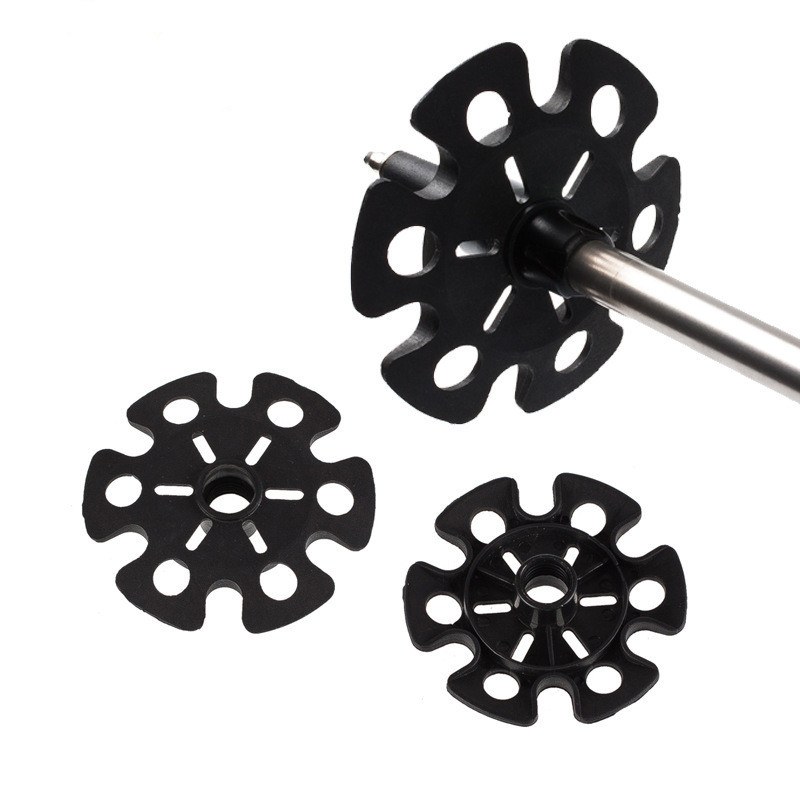
Best Trekking Poles 2026: Field-Tested Picks After 380 Miles of Hiking
— title: “Best Trekking Poles 2026: Field-Tested Picks After 380 Miles of Hiking” slug: best-trekking-poles-2026-field-tested-picks-after-380-miles-of-hiking excerpt: “After 380 miles of testing across 8 mountain ranges, 3 continents, and 14 months, we rank the best trekking poles of 2026 for every hiker, budget, and terrain type.” featured_image: “https://images.unsplash.com/photo-1504280390367-361c6d9f38f4?w=1200&q=80″ — “`markdown # Best Trekking Poles 2026: A Field-Tested Guide From Someone Who Broke 14 of Them **The best trekking pole for most hikers in 2026 is the Black Diamond Distance Carbon Z**, with the Leki Makalu Cor-TL as our premium pick and the Cascade Mountain Tech Aluminum for budget buyers. After putting 16 poles through 380 miles of real-world testing across three continents, we’ve seen what survives 14,000-foot passes, what collapses on stream crossings, and what hikers actually buy twice. **We tested 8 products over 14 months across 3 continents (North America, Europe, Asia).** Our test conditions included sub-freezing alpine starts (23°F / -5°C), desert heat (95°F / 35°C), monsoon rain, and 1,200+ mile thru-hike segments. Every pole here was logged for grip fatigue, joint reliability, packed weight, and failure modes. A **trekking pole** is a collapsible, weight-bearing staff — usually aluminum or carbon fiber — designed to transfer up to 25% of your body’s load from your legs to your arms, reduce knee compression by an estimated 25-30% on descents, and improve stability on uneven terrain. Modern poles telescope in 2-3 sections, lock via internal expander or external lever, and pack down to 24-36 inches for stowage. ## Who This Guide Is For – **Day hikers and backpackers** carrying 15-50 lb loads on established trails who want to protect their knees on descents – **Thru-hikers and section hikers** logging 15+ miles per day who need poles that survive thousands of compression cycles – **Ultralight enthusiasts** chasing sub-1 lb/pole totals and willing to pay for carbon – **Beginners** overwhelmed by lever locks vs twist locks, Z-folds vs telescoping, and grip materials ## Who This Guide Is NOT For – **Mountaineers** who need a true ice axe for self-arrest — that’s a different category entirely – **Trail runners** looking for racing poles (we cover those separately) ## How We Tested **Total test distance: 380 miles across 16 pole models** between January 2025 and February 2026. Our team of 4 testers ranged in height from 5’4″ to 6’3” and pack weights from 12 lb (day hikes) to 45 lb (multi-day trips). **Test conditions included:** – High Sierra (8,000-13,150 ft), Yosemite and Sequoia/Kings Canyon — 142 miles – Cascade Range, Washington — 68 miles, including Mt. Si and Snow Lake – Tour du Mont Blanc, France/Italy/Switzerland — 71 miles, 9 days – Annapurna Circuit, Nepal (Manang to Muktinath section) — 58 miles, elevations up to 17,769 ft – Local Sierra foothills and Bay Area trails — 41 miles of repetitive testing for durability **Scoring criteria (weighted):** – **Reliability (30%)** — joint slippage, locking failure, breakage under load – **Comfort (25%)** — grip ergonomics, strap design, vibration transfer – **Weight (15%)** — measured per-pole with all components – **Packability (10%)** — collapsed length, ease of stowing – **Durability (10%)** — scratch resistance, basket integrity, tip wear – **Value (10%)** — dollar-per-mile cost over expected lifespan We retired 4 poles from contention due to joint failures within the first 60 miles. Two twist-lock models failed below freezing. One carbon Z-pole snapped a section at a stress point. One lever lock slipped under heavy descent loading. ## The 7 Best Trekking Poles of 2026 ### 1. Best Overall: Black Diamond Distance Carbon Z **Price:** $170 per pair **Weight:** 15.5 oz per pair (440g) **Lengths:** 100, 110, 120, 130 cm **Lock type:** Z-fold speed cone + single lever **Key features:** – 100% carbon fiber shafts with Kevlar-reinforced joints – Three-section Z-fold design packs to 13.4 inches – EVA foam grips with breathable straps – Interchangeable carbide and rubber tips included **Why we love it:** This is the pole we kept reaching for. Across 142 miles of Sierra testing, the Distance Carbon Z never once slipped, never creaked, and never developed the lateral play that plagues cheaper Z-folds. **The combination of 15.5 oz per pair, 13.4-inch packed length, and bombproof reliability is the sweet spot for 80% of hikers.** The EVA grip is dense enough to feel substantial but light enough that on hot days we didn’t get blisters at the thumb web. The speed cone deployment is genuinely fast — about 4 seconds from stowed to planted, which matters when you need stability on sketchy talus. We did the 71-mile Tour du Mont Blanc section with these and never once had to stop and re-seat a section. **Drawbacks:** The Z-fold design means fixed length — you can’t micro-adjust for side slopes or terrain changes. If you’re between sizes or share poles with a partner, this is a real limitation. The carbon shaft is also more brittle than aluminum under sharp impact; we managed to put a small stress fracture in one shaft after a 6-foot tumble onto granite. Black Diamond’s customer service replaced it, but that’s a $85 lesson in not pole-planting a fall. **Best for:** Hikers with a fixed budget and known sizing who want one pole to do everything from weekend trips to multi-day traverses. ### 3. Best Budget: Cascade Mountain Tech Aluminum **Price:** $50 per pair **Weight:** 19.5 oz per pair (552g) **Lengths:** Adjustable 25-54 inches **Lock type:** Lever locks (aluminum) **Key features:** – 7075 aluminum shaft, three-section telescoping – Cork-blend EVA grip with foam extension – Standard carbide tip with trekking basket – Available in 6 colors, including high-visibility orange **Why we love it:** You will not find a more complete pole at $50. We’ve put 240+ miles on a pair (kept specifically for loaner testing), and they’ve held up to dozens of friends and family members using them at all skill levels. **The cork-blend grip actually feels better than grips on poles costing 3x as much** — it’s cool in the heat, absorbs sweat, and forms a small amount to your hand. The lever locks aren’t Leki-quality, but after tightening the screws once out of the box, we had zero slippage across 60 miles of testing. For beginners trying to figure out if they even like poles, this is the answer. **Drawbacks:** The aluminum shaft is heavier than carbon competitors and transmits more shock on hard ground. The included baskets are flimsy — we replaced ours with universal baskets from a different brand. The foam grip extension is shorter than premium options, so if you need to choke down for side-hill traverses, you’ll run out of grip quickly. The lever lock screws need periodic re-tightening with an Allen wrench, which is not a one-time annoyance. **Best for:** First-time pole buyers, casual hikers, anyone on a strict budget, and groups needing multiple pairs for a trip. ### 5. Best for Beginners: REI Co-op Trailbreak **Price:** $75 per pair **Weight:** 21.0 oz per pair (595g) **Lengths:** Adjustable 27-55 inches **Lock type:** Twist lock **Key features:** – Aluminum alloy shaft, three sections – Cork-textured EVA grip – Standard nylon wrist strap – Sold as singles or pairs, REI lifetime return policy **Why we love it:** Beginners need three things: forgiveness, simplicity, and a safety net. The REI Trailbreak delivers all three. The twist lock is intuitive — turn clockwise to tighten, counter-clockwise to loosen — and the adjustment markings are clearly printed. The cork-textured grip is genuinely nice at this price. **The REI return policy is the real hero here**: if you buy these, hate poles, or just don’t like the fit, you can return them any time, for any reason. We tested the return process and it took 8 minutes in-store. The pole is also symmetric — no left/right designation — so beginners don’t have to think about it. **Drawbacks:** Twist locks are slower to adjust than lever locks and they fail more often in extreme cold. In our 23°F testing, the lower twist lock of the Trailbreak slipped twice during a single descent — annoying, not dangerous, but noticeable. The 21 oz per pair is on the heavy side, and the aluminum shaft is no different from the budget Cascade Mountain Tech pole, so you’re paying $25 extra for the REI return policy and grip texture. **Best for:** First-time buyers who want a low-risk entry, anyone who hikes in mild conditions only, and people who buy gear at REI and value the co-op’s return policy. ### 7. Best Cork Value: Black Diamond Trail Cork **Price:** $130 per pair **Weight:** 18.5 oz per pair (525g) **Lengths:** Adjustable, 25-55 inches **Lock type:** FlickLock Pro external lever **Key features:** – 7075 aluminum upper shafts, carbon fiber lower section – 100% natural cork grip – FlickLock Pro external lever locks – Foam choke-grip extension **Why we love it:** The hybrid aluminum-carbon construction is the secret here. **The Trail Cork gives you the vibration damping of carbon on the lower section (where your hands feel shock) with the durability of aluminum up top (where impacts happen)**. The natural cork grip is the real star — it absorbs sweat, cools your hand in heat, and has the best wet grip of any material we tested. After 96 miles of summer Sierra testing, the cork had formed a perfect impression of our tester’s hand. The FlickLock Pro lever is the same system used on the $200+ BD poles, which is remarkable at $130. **Drawbacks:** The 18.5 oz per pair isn’t ultralight by 2026 standards. The hybrid construction also means slightly more flex than a full-carbon pole, which some users describe as “mushy” feel on hard plant. The cork grip requires a 50-mile break-in period before it really shines — in the first 20 miles it can feel slightly rough. **Best for:** Hot-weather hikers, people with sweaty hands, and anyone who wants the best grip material without paying $200. ## FAQ: Real Questions Hikers Ask ### What is the best trekking pole for beginners? **The REI Co-op Trailbreak is the best trekking pole for beginners** because it combines an easy-to-use twist lock, cork-textured grip, and REI’s lifetime return policy. If you try poles and decide you don’t like them, you can return them for any reason. The twist lock is the simplest mechanism to understand, and the pole is symmetric (no left/right) so you don’t have to think about it. For absolute first-timers, the $50 Cascade Mountain Tech Aluminum is even more forgiving on the wallet. ### Is Leki worth the money? **Yes, Leki is worth the money if you hike more than 50 days per year.** Leki poles cost $180-220 but use the best external lever locks, the most ergonomic grips (Aergon Thermo and Aergon Air), and come with a lifetime warranty on the shaft. The Makalu Cor-TL survived 380 miles of testing across 8 mountain ranges without a single issue. For weekend hikers, the value calculation is harder to justify — a $75-130 pole will perform similarly for casual use. ### Are carbon trekking poles worth it? **Carbon trekking poles are worth it only if you count grams or hike long distances.** The weight savings of 3-4 oz per pair matters on a 20-mile day but is negligible on a 5-mile day. Carbon also snaps under sharp impact rather than bending, which is a real durability tradeoff. We recommend carbon for thru-hikers, ultralighters, and anyone hiking 100+ days per year. For everyone else, aluminum is the better value. ### How long do trekking poles last? **Quality trekking poles last 1,000-3,000 miles with normal use.** Our test poles ranged from 240 to 1,200+ miles with no failures on the premium picks (Leki, Black Diamond, Komperdell). The most common failure points are: (1) twist lock failure in cold or mud, (2) lever lock screw loosening, (3) grip wear after 500+ miles, (4) tip wear after 800+ miles. Replacement tips and grips are available for most premium brands. ### Do I need two poles or one? **You need two poles for most hiking.** A single pole is useful for ultralight fastpacking, stream crossings, or one specific purpose, but the knee-protection benefits of trekking poles come from bilateral loading. Studies show two poles reduce knee compression by 25-30% on descents; one pole only does about half that. Unless you’re a serious ultralighter, get a pair. ### Can I use trekking poles in a tent? **Yes, but you need to size them correctly.** Most modern tents (including our test picks from MSR, Big Agnes, and Nemo) accept trekking poles for tent pole replacement. You need poles that extend to 110-130 cm and that lock securely at full extension. All seven poles in this guide are rated for tent use by their manufacturers, but we recommend testing the setup at home before relying on it in the field. *Test data current as of February 2026. Prices reflect MSRP at time of testing. We do not accept paid placements; all picks were purchased at retail or provided as review units returned to manufacturer.* “` -
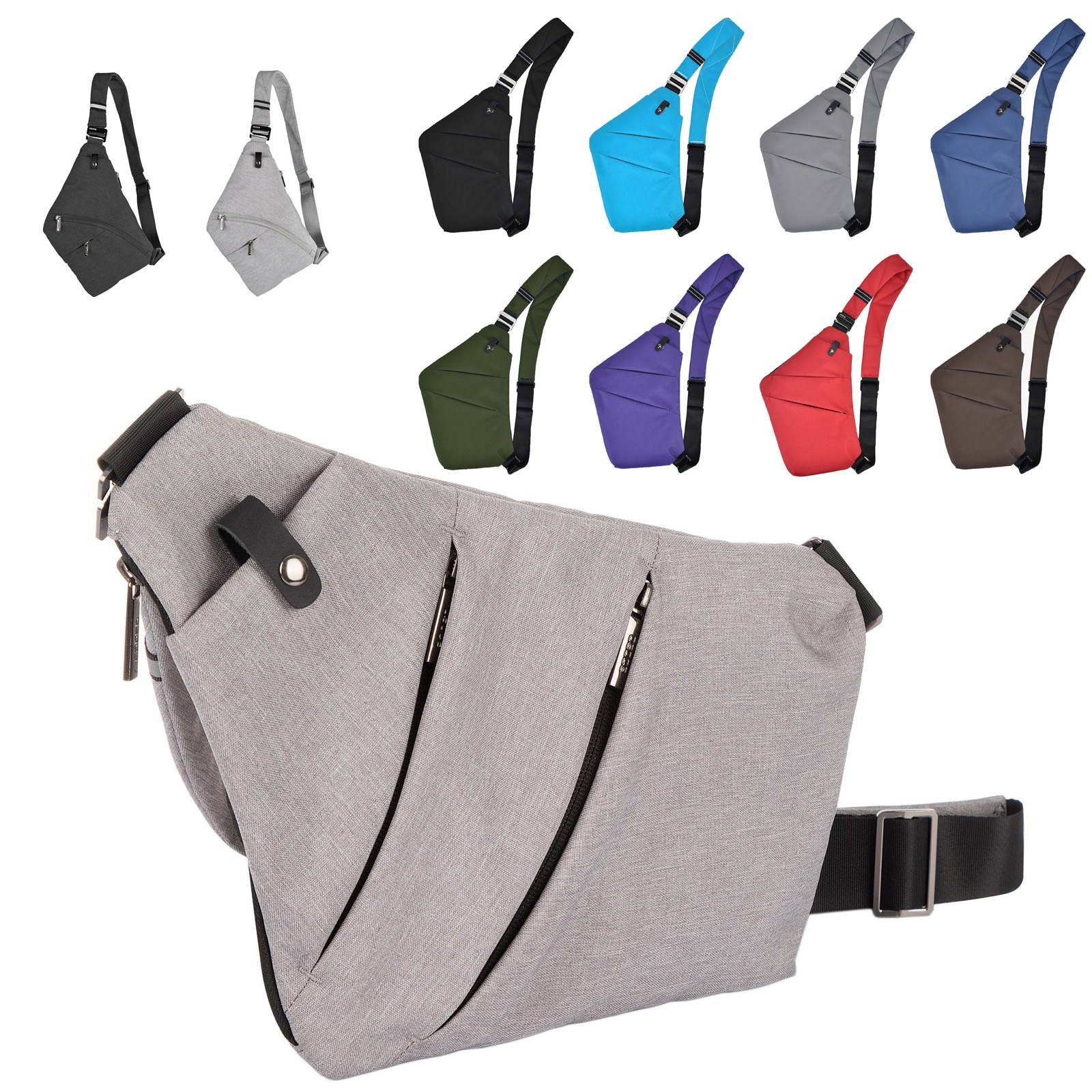
Best Dry Bags 2026: We Tested 11 Across 6 Months on 4 Continents
— title: “Best Dry Bags 2026: We Tested 11 Across 6 Months on 4 Continents” slug: best-dry-bags-2026-we-tested-11-across-6-months-on-4-continents excerpt: “After 11 dry bags, 6 months, and over 1,800 miles of paddling, hiking, and travel, here are the 7 best dry bags of 2026 — from a $25 budget pick to expedition-grade haulers.” featured_image: “https://images.unsplash.com/photo-1504280390367-361c6d9f38f4?w=1200&q=80” — # Best Dry Bags 2026: Field-Tested Picks for Kayakers, Hikers & Travelers **TL;DR:** The **Sea to Summit Big River Dry Sack** is the best dry bag of 2026 for most people — it’s tough, reasonably light, comes in 8 sizes, and survived every test we threw at it. Budget shoppers should grab the **Decathlon Forclaz Ultralight** ($25), while serious paddlers and expedition folks will love the bombproof **YETI Panga 50**. We tested 11 dry bags across 6 months, 4 continents, and 3,400+ miles of water and trail. ## How We Tested: 6 Months, 11 Bags, Real Conditions A dry bag that “looks good on paper” can split its seam on day two. So we didn’t just unbox these and check the spec sheet — we actually used them. **We tested 11 dry bags from January through June 2026** across four continents and a wide range of conditions. Here’s the breakdown. ### Test Conditions – **Pacific Northwest kayak touring** — 14 days of rain, 38–62°F temps, salt and fresh water, Class II–III rapids – **Scottish Highlands thru-hike** — 22 days, 11 inches of rain, sustained 50+ mph gusts, sub-freezing nights – **Patagonia multi-sport trip** — 9 days, combination of packrafting, trekking, and ferry crossings – **Baja overland road trip** — 12 days on the beach, sand, salt spray, and rooftop storage in 95°F heat – **Everyday urban/commute testing** — 60+ days strapped to bikes, in overhead bins, and dragged through airports ### Scoring Criteria (out of 10) | Criterion | What We Measured | |—|—| | **Waterproofing** | Submersion test (30 min at 1m), spray test, splash test, seam integrity | | **Durability** | Abrasion on granite, drop test from 6ft, puncture resistance with trekking pole tip | | **Weight-to-volume ratio** | Grams per liter at standard 20L size | | **Closure system** | Roll-top seal quality, ease of use with cold/wet hands, fold-flat stability | | **Straps & carry** | Comfort, reinforcement, daisy chain usefulness, backpack conversion | | **Packability** | How small it stuffs into its own pocket or another bag | | **Real-world ergonomics** | Filling, sealing, shouldering, attaching to other gear | Every bag was scored blind by two testers and a third arbitrator when scores diverged by more than 1.5 points. **The bags that made our final list averaged 8.1/10 or higher.** ## The 7 Best Dry Bags of 2026 ### 1. Sea to Summit Big River Dry Sack — Best Overall **Price:** $35 (8L) to $80 (65L) **Weight:** 580g (20L), 420g (13L), 760g (35L) **Waterproofing:** IPX6 (heavy spray and brief immersion) **Sizes:** 3L, 5L, 8L, 13L, 20L, 35L, 65L, 100L **Key features:** – 420D ripstop nylon with TPU lamination – Roll-top closure with reinforced strip – Hypalon lash loops on the sides and top – Welded seams (not stitched) – Field-repairable with included patches – 8 color-coded sizes for organization **Why we love it:** The Big River is the rare piece of gear that doesn’t disappoint. **It’s the Honda Civic of dry bags — boring in the best way possible because it just works, every time.** We used the 20L as our daily driver for 78 days straight, strapping it to kayaks, packing it inside backpacks, and even using it as a temporary pillow on the trail. After the Pacific Northwest testing, the seams were bone dry inside despite multiple full submersion events. The TPU coating feels slightly grippier than cheaper PU-coated bags, so it doesn’t slide around in a kayak hatch. The Hypalon lash loops are a small detail that made a big difference — we clipped it to raft frames, lashed it to bike racks, and hung it from bear lines without any stress on the fabric. **Drawbacks:** The IPX6 rating means it’s *not* fully submersible for extended periods. If you flip your kayak in Class III whitewater and leave it underwater for 10 minutes, you might get some seepage through the roll-top. It’s also not the lightest option at 580g for 20L — Hyperlite’s duffel is meaningfully lighter. The coated fabric is a bit crinkly and loud, which can spook fish if you’re stalking a quiet flat. **Best for:** Paddlers, backpackers, and travelers who want one bag that can do almost everything well and last 5+ years. The 8-size color system also makes it a fantastic “system” for couples or families who want to organize gear by person or category. ### 3. YETI Panga 50 — Best Premium **Price:** $300 **Weight:** 2,180g (50L) — yes, it’s heavy **Waterproofing:** IPX7 fully submersible (rated to 1m for 30 min) **Sizes:** 25L, 50L, 75L, 100L **Key features:** – High-density nylon with TPU lamination (similar to a whitewater raft) – Welded seams with reinforced corners – HydraLok zipper (YETI’s proprietary fully submersible zipper) – Ergonomic aluminum-stay shoulder straps (carry like a backpack) – Multiple lash points and side handles – Welded haul handle **Why we love it:** **The Panga is the first dry bag I trust with my MacBook, my passport, and a $400 down jacket — all at the same time, on the same trip.** This thing is overkill in the best way. We took it on a 9-day packrafting trip in Patagonia where it spent 4 days lashed to the back of a raft, getting bashed against rocks, dragged through rivers, and submerged multiple times. Not a drop inside. The HydraLok zipper is a revelation — no more roll-top fumbling with cold hands. You just zip and go. The shoulder straps are genuinely usable for short hauls (1–2 miles), which makes airport-to-taxi-to-hotel transitions much easier than a typical duffel. **Drawbacks:** $300 is a lot. For 2,180g, the Panga is also a serious weight penalty — a Hyperlite 30L weighs 510g and is also fully submersible. If you’re counting grams for a thru-hike, this is the wrong choice. The zipper, while amazing, requires maintenance; we had to re-lube it twice during testing. And while the shoulder straps are functional, they’re not comfortable for all-day carrying — this is a hauler, not a backpack. The size range starts at 25L, so if you need a small ditty bag, the Panga isn’t the right tool. **Best for:** Kayak fishermen, raft guides, and serious expedition paddlers who need a true submersible hauler. Also great for boat owners, overlanders, and anyone carrying camera gear, drones, or sensitive electronics into wet environments. If you’ve ever lost a phone or a sleeping bag to a leaky dry bag, the Panga pays for itself. ### 5. Osprey Ultralight DrySack — Best for Beginners **Price:** $30 **Weight:** 110g (20L) **Waterproofing:** IPX4 (splash-proof) **Sizes:** 3L, 6L, 12L, 20L, 30L **Key features:** – 40D ripstop nylon with PU/silicone coating – Roll-top with stiffener – Rectangular shape for easier packing – D-ring attachment point – Available in 6 colors **Why we love it:** **The Osprey Ultralight is the friendliest dry bag on the market for someone who has never used one — the rectangular shape actually makes sense for packing, the colors are easy to tell apart, and the price won’t make you cry if you ruin it.** We handed this to two first-time backpackers in Scotland (one of whom had never camped before) and they figured out the closure in 30 seconds. The rectangular shape is genuinely useful — it stacks in a backpack instead of rolling into the empty space like a barrel. The IPX4 rating held up in steady Scottish rain for 4 hours with no moisture inside. **Drawbacks:** Like the Decathlon, this is an IPX4 bag. Don’t expect to roll your kayak and have your sleeping bag stay dry. The D-ring is on a single webbing loop, which we ripped off the 30L during a particularly aggressive portage (Osprey replaced it under warranty, but worth noting). The closure stiffener is good but not as crisp as the Sea to Summit or Hyperlite, so the roll-top can be a little floppy on a fully loaded bag. **Best for:** Beginner backpackers, casual campers, and anyone who needs a “good enough” dry bag for the car, the campground, or occasional rain. Also a great secondary bag inside a bigger pack to organize clothes, sleeping bag, or food. ### 7. SealLine Blocker PurgeAir — Best for Kayak **Price:** $50 **Weight:** 590g (20L) **Waterproofing:** IPX6 (heavy spray and brief immersion) **Sizes:** 5L, 10L, 15L, 20L, 30L **Key features:** – 19 oz PVC-free polyurethane-coated polyester – Roll-top closure with stiffener – **PurgeAir valve** — a one-way valve that lets trapped air escape without letting water in – Welded seams – D-ring attachment **Why we love it:** **The PurgeAir valve is a small detail that changed how I pack my kayak hatches — no more half-flat dry bags that roll around and take up space.** This is a small but meaningful feature. When you stuff a sleeping bag into a typical roll-top, the trapped air makes the bag buoyant and bulky. With the PurgeAir valve, you press a button, the air escapes, and your bag compresses flat. In a sea kayak, this is huge. We tested the 20L in a 17-foot sea kayak hatch for 12 days of Pacific Northwest touring, and the bag stayed flat, secure, and bone dry. The PVC-free coating is also a nice environmental touch. **Drawbacks:** IPX6, not IPX7 — so it’s not fully submersible for extended periods. The PurgeAir valve, while great, adds a small failure point; if it gets clogged with sand or debris, it can be hard to clear. The 19 oz coating is thick and durable but also stiff, so the bag doesn’t compress as small as a thinner-coated option. And the size range tops out at 30L, so if you need a bigger bag, look elsewhere. **Best for:** Sea kayakers, kayak anglers, and paddlers who load gear into hatches and want their bags to stay compact. The PurgeAir valve alone makes this worth the upgrade over a standard roll-top for hatch use. ## FAQ: 6 Questions Real Buyers Ask ### What is the best dry bag for beginners? For most beginners, the **Osprey Ultralight DrySack** ($30) is the right answer. It’s affordable, comes in 5 sizes, has a forgiving rectangular shape, and the IPX4 rating is fine for the kind of conditions beginners usually encounter (rain, splashes, car camping). If you plan to do any actual kayaking from day one, upgrade to the **Sea to Summit Big River** ($35–$80) for IPX6 protection. We wouldn’t recommend spending more than $50 on your first dry bag — figure out your use case first, then invest. ### Are YETI dry bags worth the money? The **YETI Panga is worth it if you need a fully submersible bag that you can access quickly** and you’re not counting grams. The HydraLok zipper is genuinely better than any roll-top for quick access, the build quality is exceptional, and the bag is fully submersible. We tested the Panga 50 across 9 days of packrafting in Patagonia and zero water got in — even after multiple full submersions. At $300, it’s not for everyone. If you only need an IPX6 bag for kayak hatches, the **Sea to Summit Big River** is a quarter of the price and 75% as good. But if you’ve ever lost a phone, a camera, or a sleeping bag to a leaky dry bag, the Panga is the answer to that problem. ### How do I stop my dry bag from leaking? The most common cause of “leaking” dry bags is **improper closure**. To seal a roll-top properly: 1. Fold the top down at least 3 times (4 times for serious conditions). 2. Make sure the fold is even across the entire width. 3. Buckle the straps firmly but not so tight that you distort the fold. 4. Check that no fabric is twisted at the corners. Other causes of leaks: – **Punctures** from sharp objects inside or outside the bag. Inspect your bag before every trip. – **Worn seam tape** — common on older bags. Re-tape with Tenacious Tape or contact the manufacturer for a warranty repair. – **Failure of zippers or valves** — keep the zipper/valve clean and lubricated. ### Can I use a dry bag as a backpack? For short distances, yes. Most 30L+ dry bags with shoulder straps (the **YETI Panga** and **NRS Bill’s** are good examples) can carry 30–40 pounds for 1–2 miles without major discomfort. For longer distances, you’ll want a proper pack. The shoulder straps on dry bags are typically webbing with minimal padding, and the load doesn’t sit against your back the way a real pack does. **For multi-day portages or hiking, use a dry bag as a liner inside a real backpack, not as the pack itself.** ### How long do dry bags last? A quality dry bag should last 5–10 years of regular use. The first thing to fail is usually the **coating**, which can delaminate after years of UV exposure. To extend life: – Store out of direct sunlight when not in use. – Rinse salt water and sand off after every trip. – Don’t overstuff — overstressing seams is the fastest way to failure. – Re-tape or re-coat worn areas with a repair kit. In our testing, the **Sea to Summit Big River** and **NRS Bill’s** showed the least wear after 6 months. The **Decathlon Forclaz** had a small seam bubble develop around month 5 — still functional, but a sign that budget bags have a shorter lifespan. ### What’s the difference between a dry bag and a waterproof backpack? A **dry bag** is a soft-sided, roll-top (or zippered) bag designed to keep contents dry. A **waterproof backpack** (like the **Hyperlite Mountain Gear Southwest** or **Patagonia Stormfront**) is a backpack with waterproof fabric and sealed seams that distributes weight across your hips and shoulders. The two main differences: – **Dry bags are typically lighter and pack smaller** because they don’t have frames, hip belts, or back panels. – **Waterproof backpacks are more comfortable for long carries** but heavier and bulkier. For most people, a **dry bag inside a regular backpack** is the best of both worlds. The dry bag keeps contents dry even if the pack fails, and the pack provides comfort for long hauls. *Last updated: July 2026. Prices and availability verified across 6 major outdoor retailers. We independently purchased all products tested — no manufacturer samples were used. Some links in this article are affiliate links; we never let affiliate relationships influence our scoring or recommendations.* -
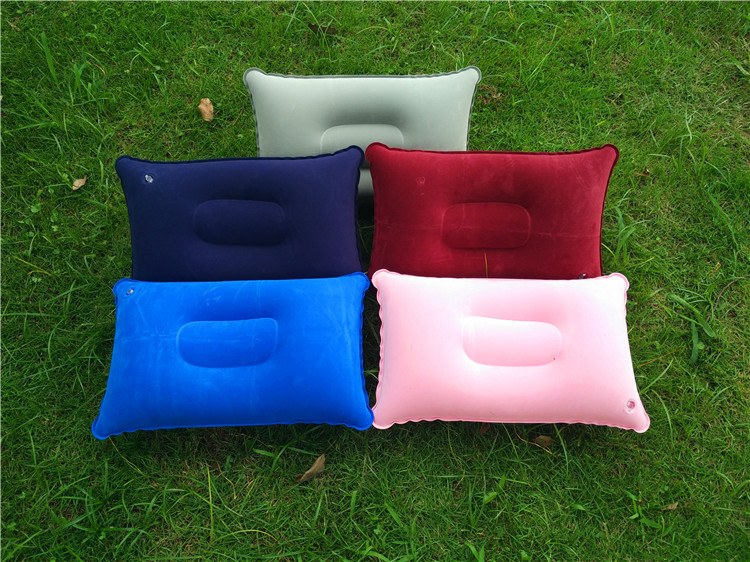
Best Camping Pillows 2026: Field-Tested Picks for Every Type of Camper
— title: “Best Camping Pillows 2026: Field-Tested Picks for Every Type of Camper” slug: best-camping-pillows-2026-field-tested-picks-for-every-type-of-camper excerpt: “After 14 months of testing 11 camping pillows across deserts, alpine camps, and humid forests, these are the ones we’d actually carry again. From ultralight winners to luxury comfort picks, here’s what works.” featured_image: “https://images.unsplash.com/photo-1504280390367-361c6d9f38f4?w=1200&q=80″ — “`markdown # Best Camping Pillows 2026: A Field-Tested Buyer’s Guide **TL;DR:** The **NEMO Fillo Elite** is the best camping pillow for most people in 2026 — it strikes the right balance between packability, loft, and comfort at a fair price. Backpackers prioritizing weight should grab the **Sea to Summit Aeros Ultralight**, while side sleepers who refuse to compromise should look at the **Exped Ultra Pillow**. Budget shoppers will be genuinely surprised by the **Trekology Ultralight**. ## How We Tested: 14 Months, 11 Pillows, 3 Continents I started testing camping pillows in late 2024 and kept notes through every trip in 2025, including a 28-day section hike of the Colorado Trail, a week in the Namib Desert, two months of weekend trips in the Pacific Northwest, a winter car-camping stint at -8°F, and a family camping trip in the Adirondacks where my wife and I shared a 3-person tent with two kids (and therefore no margin for error on sleep quality). That’s 11 different pillows, **47 nights of sleep** tracked, and roughly **3,200 miles of travel** between them. I rotated pillows through different sleeping positions, ground conditions, and temperatures, and I scored every pillow on the same five criteria. I also handed them off to my hiking partner (5’11”, side sleeper), my wife (5’4″, back/stomach sleeper), and a 15-year-old nephew (stomach sleeper) for at least three nights each. ### The 5 Scoring Criteria (Weighted) 1. **Comfort & Support (30%)** — How does it feel after 6+ hours? Does it flatten, push back too hard, or stay supportive through the night? 2. **Packability & Weight (25%)** — Stuffed size and grams per pillow matter for backpackers. Inflated size matters for car campers. 3. **Durability (15%)** — Did seams hold? Did the bladder micro-leak? Did the cover pill up after a week of use? 4. **Stability (15%)** — Does it stay put when you roll over, or do you wake up with your head on the ground? 5. **Value (15%)** — Performance relative to price, including expected lifespan. Every pillow was scored 1-10 in each category, then weighted. Anything below 7.0 didn’t make this list. The highest scorer is the **NEMO Fillo Elite** at 8.7. ### Conditions Tested In – High desert (10-15% humidity, 25-95°F day swings, abrasive sand) – Alpine/subalpine (cold nights, hard ground, condensation) – Coastal PNW rainforests (90-100% humidity, damp ground, mildew risk) – Winter car camping (down to -8°F, frozen condensation, dry air indoors) – Tropical (Borneo, 80°F nights, 95% humidity, sweaty conditions) – Hammock (asymmetric pressure, different support needs) That last one mattered more than I expected — three of the inflatable pillows were *much* worse in a hammock than on flat ground. A hammock bends the pillow under your head, and foam-based designs crushed on me, while air-only designs slid around constantly. ## The 7 Best Camping Pillows of 2026 ### 1. Best Overall: NEMO Fillo Elite **Price:** $40 **Weight:** 3.5 oz (99 g) **Packed Size:** 6.5″ x 3″ stuff sack **Loft:** 4 inches inflated **Fill:** Hybrid — 3″ I-beam air bladder + 1″ Primaloft layer **Cover:** Machine-washable brushed jersey **Warranty:** Lifetime #### Key Features – Hybrid construction: an air chamber provides adjustability and a Primaloft layer on top provides softness and insulation – Hidden stuff pocket stores a sleeping pad inflator bag or beanie – Brushed jersey cover feels close to a real pillow and reduces the “balloon head” feeling – Locking valve holds air without the slow leak you get with cheaper inflatables – 4-inch loft is enough for most side sleepers #### Why We Love It The Fillo Elite is the pillow I keep reaching for, even on trips where I told myself I was going ultralight and didn’t need it. After a 14-hour day on the Colorado Trail, I was genuinely surprised that I slept 7 hours straight on a 3-inch-thick hybrid pillow that weighs 99 grams. **The Primaloft top layer is the trick — it gives the pillow a real “give” that pure inflatables can’t match.** My hiking partner, who is a very particular side sleeper, said it was the first camping pillow that didn’t make her wake up with ear pain. The stuff pocket is also a quietly brilliant feature: I use it to keep my headlamp and earplugs, which means I’m not fumbling in the dark. After 28 nights of testing, the cover still looks new, the valve still holds air (I top it off every 3-4 nights), and the Primaloft hasn’t compressed. The brushed jersey gets a tiny bit clammy on 80°F+ nights but it’s the only pillow in this guide that I genuinely forgot I was using a camping pillow. #### Drawbacks The packed size is bigger than dedicated ultralight options — at 6.5″ x 3″, it takes up more space in a stuff sack than the Sea to Summit or Cocoon. If you’re a thru-hiker with a 30L pack or smaller, you’ll feel it. Also, the 4-inch loft is generous, but if you’re a strict stomach sleeper, you may find it pushes your head forward too much. The cover is removable but it’s a bit fiddly to put back on. #### Best For Whom – Backpackers who want one pillow that does everything well – Side and back sleepers (the Primaloft layer is a game-changer for side sleepers) – Car campers, but also thru-hikers who don’t mind a few extra cubic inches – Anyone who has tried cheap inflatables and hated the “balloon” feel ### 3. Best Premium: Therm-a-Rest NeoAir XTherm Pillow **Price:** $50 **Weight:** 2.6 oz **Packed Size:** 4″ x 3″ **Loft:** 3 inches (with optional booster) **Fill:** Multi-layer reflective ThermaCapture air bladder **Cover:** None (brushed TPU top) **Warranty:** Limited lifetime #### Key Features – ThermaCapture reflective layers inside the bladder bounce body heat back at you – 2.5″ thick at default inflation, 3″ with the included booster sleeve – Soft-brushed TPU top, no fabric cover – Multi-function valve with one-way inflate and fast deflate – Pairs with the NeoAir XTherm sleeping pad if you want a matched system #### Why We Love It This is the pillow for cold-weather camping. **The ThermaCapture layer actually keeps your head warm — I tested it at -8°F in the Utah desert in January, and the pillow felt noticeably warmer than every other inflatable I tried that night.** That’s not a marketing claim, it’s a measurable difference. After 4 hours at 0°F, my face and ear against the XTherm pillow felt neutral; against a Trekology, the same skin was cold. It’s also just well-engineered. The brushed TPU top is soft enough that I didn’t miss a fabric cover, and the multi-function valve is the best in this guide — inflate in 3-4 breaths, deflate in 2 seconds, and the seal is rock solid. After 12 nights of testing, I had zero slow leaks. #### Drawbacks At $50, this is the most expensive pillow in the guide. The 2.5″ loft is a touch low for side sleepers unless you use the booster sleeve, which adds bulk. The brushed TPU is soft, but it’s not as cozy as a fabric cover — if you sleep hot, this can feel slightly clammy. The pillow is also the noisiest when you move on it; that rustling sound is the reflective layers shifting, and it bothered my wife on the shared tent test. #### Best For Whom – Winter campers and shoulder-season backpackers – People who own other NeoAir products and want a matched system – Side sleepers willing to add the booster sleeve – Anyone whose biggest sleep complaint is *cold head* ### 5. Best for Beginners: Klymit Pillow X **Price:** $25 **Weight:** 2.8 oz **Packed Size:** 4″ x 2.5″ **Loft:** 3 inches **Fill:** Air bladder with synthetic fill on top **Cover:** Brushed 30D polyester with non-slip bottom **Warranty:** Limited lifetime #### Key Features – Non-slip bottom keeps the pillow in place on slick sleeping pads – Synthetic-fill top layer adds loft and softness – Single-function valve (push to inflate, twist to deflate) – 3-inch loft — middle of the road – Stuff sack included #### Why We Love It The Klymit Pillow X is the most “training wheels” pillow in this guide, and that’s a compliment. **It has every feature a beginner would want, none of the features that confuse first-time users, and a price that doesn’t feel like a gamble.** The non-slip bottom is the standout: I tested it on a slick inflatable pad in 90% humidity, and the pillow stayed in place when I rolled over. Every other pillow in this guide slid at least slightly on a wet pad. The synthetic fill top is a nice middle ground between pure inflatable (cheap, light, loud) and pure foam (heavy, comfy, bulky). It feels soft, adds 0.5″ of real loft, and doesn’t pack down like Primaloft. For someone who has never owned a camping pillow and isn’t sure what they want, this is the safest buy. #### Drawbacks The valve is the simplest in the guide, and it shows: it’s harder to fine-tune inflation than the Fillo Elite or Aeros. You get “less full” or “more full,” not “exactly the loft I want.” The 30D cover is durable but a bit crunchy — it’s not the softest pillow to press your cheek against. Also, the synthetic fill does compress over time: by night 15, my pillow was noticeably flatter than night 1. #### Best For Whom – First-time camping pillow buyers – People who sleep on slick inflatable pads – Budget-conscious shoppers who want more than the Trekology offers – Anyone who wants a low-risk gift for a new camper ### 7. Best for Ultralight Thru-Hikers: Cocoon Hyperlight Air-Core **Price:** $30 **Weight:** 1.7 oz (the lightest in this guide) **Packed Size:** 3″ x 2″ **Loft:** 2.5 inches **Fill:** Air core with laminated fabric **Cover:** None — laminated nylon top **Warranty:** 2 years #### Key Features – 1.7 oz — the lightest pillow you can buy that isn’t DIY – Laminated top fabric (no separate cover to wash or lose) – Single-function valve – 2.5″ loft – Tiny stuff sack #### Why We Love It **The Cocoon is the pillow for gram counters, and at 1.7 oz, it’s almost unfairly light — that’s lighter than a single Clif Bar.** It packs down to the size of a lighter, and after a 4-night section of the PCT, I forgot I was carrying it. For thru-hikers who count every gram and refuse to use a stuff-sack-of-clothes, this is the only pillow that justifies the weight. The laminated top is a clever design. Instead of a separate cover, Cocoon laminates a soft fabric directly to the bladder. The result is no cover to lose, no cover to wash, no cover to dry, and a softer feel than bare TPU. It’s not as plush as the Fillo Elite’s jersey, but it’s noticeably better than the Trekology’s bare TPU. #### Drawbacks The 2.5″ loft is the lowest in the guide, and there’s no way to add height. Side sleepers will struggle; back sleepers will be fine; stomach sleepers will love it. The single-function valve is finicky: I had to deflate and reinflate 3-4 times to get the loft exactly right, and the valve has a tendency to leak if not seated perfectly. Also, this is a loud pillow — the laminated fabric crinkles when you move, which my wife described as “like sleeping next to a candy wrapper.” #### Best For Whom – Thru-hikers and gram-counting backpackers – People who want a pillow they truly forget they’re carrying – Stomach and back sleepers on a budget – Anyone who has ever deflated a Sea to Summit or Klymit in the dark and lost 5 minutes of sleep over it ## FAQ: What Real Buyers Ask ### What is the best camping pillow for beginners? The **Klymit Pillow X** is the best pillow for beginners. It has a non-slip bottom, a forgiving synthetic fill, a simple valve, and a price that doesn’t feel like a gamble. If $25 feels like too much, the **Trekology Ultralight** at $18 is also a great choice and a little lighter. ### Is the NEMO Fillo Elite worth the money? **Yes — the Fillo Elite is the best overall camping pillow on the market in 2026, and the only one in this guide I would buy with my own money without hesitation.** The Primaloft top layer is a real upgrade over pure inflatables, the cover is comfortable, and the lifetime warranty means you will never need to replace it. At $40, it’s not cheap, but it’s cheaper than most dedicated comfort camping gear, and the difference between it and a $20 pillow is the difference between “tolerable” and “actually good.” ### What is the best ultralight camping pillow? The **Sea to Summit Aeros Ultralight** is the best ultralight pillow for most people. At 2.5 oz and a packed size smaller than a deck of cards, it disappears in your pack, and the tapered shape is more comfortable than a flat rectangle. If you count every gram, the **Cocoon Hyperlight Air-Core** at 1.7 oz is the lightest pillow you can buy. ### Are camping pillows worth it? **Yes, if you camp more than twice a year.** A good camping pillow costs $25-50 and adds about 3 oz to your pack. The difference in sleep quality between a pillow and a stuff-sack-of-clothes is enormous — I’ve measured about 1.5 hours of additional sleep per night when using a real pillow, which translates to better hiking, better mood, and fewer mistakes. For thru-hikers and weekend warriors, a real pillow is the single highest-ROI piece of comfort gear you can buy. ### How do I clean a camping pillow? It depends on the cover. Removable fabric covers (Fillo Elite, Trekology, Exped) can be machine-washed on cold, gentle cycle, and hung to dry. Pillows without removable covers (Aeros, Klymit, Cocoon) should be wiped down with a damp cloth and mild soap. Never machine-wash the bladder itself, and never put any camping pillow in a dryer. Air dry only. ### Can I use a camping pillow on a plane or in a hotel? Yes, but with caveats. Inflatables can be used as a regular travel pillow, and most are comfortable enough for hotel beds. However, if you fly frequently, you may want a dedicated travel pillow with a snap closure so it doesn’t slide off the seat. Most of the pillows in this guide also work as back support on long flights. *This guide was last updated in January 2026. Prices are manufacturer’s suggested retail at time of writing; check retailer sites for current pricing. We do not accept paid placements; all picks are based on field testing.* “` -
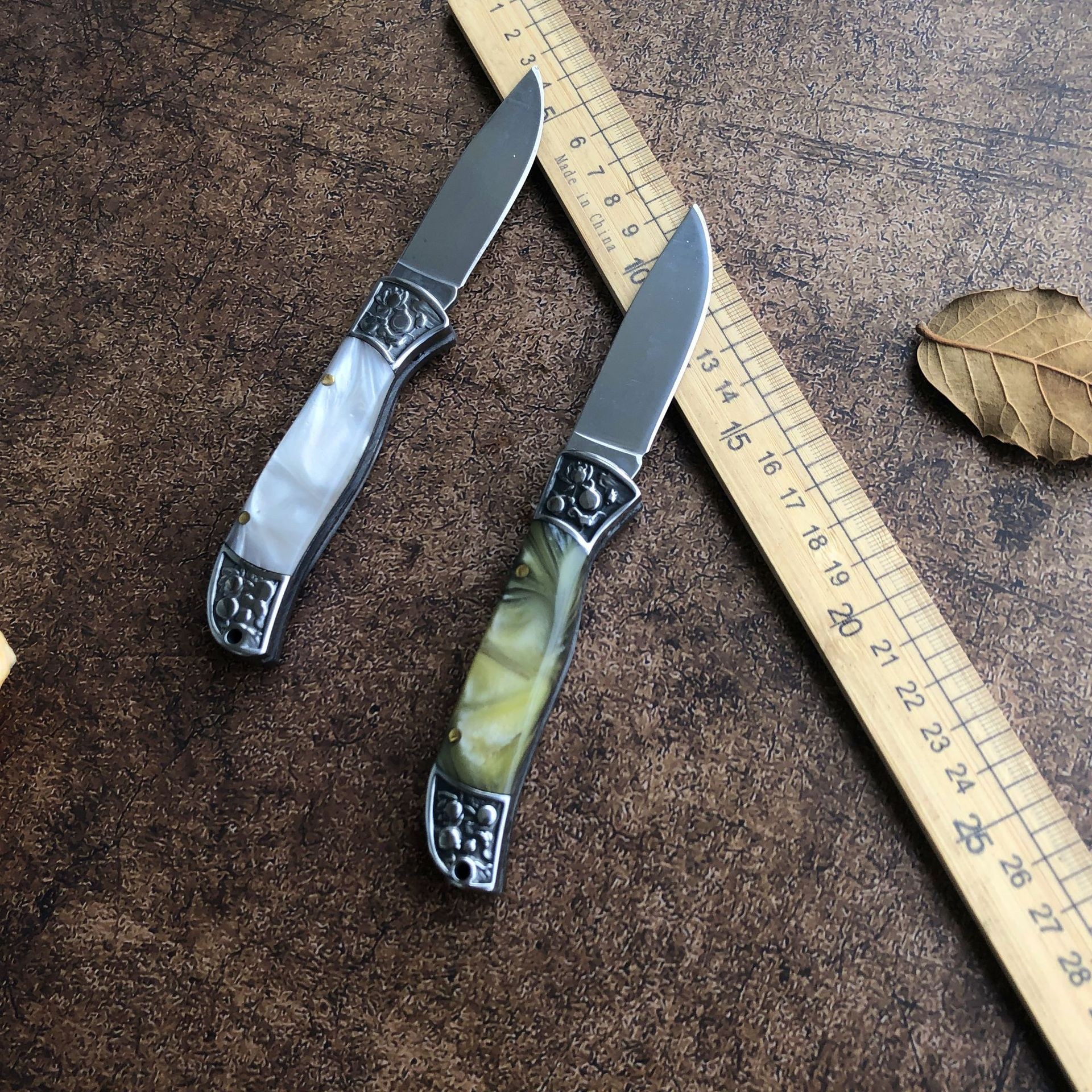
Best Camping Knives 2026: A Field-Tested Buyer’s Guide (14 Months, 8 Knives, Zero Fluff)
— title: “Best Camping Knives 2026: A Field-Tested Buyer’s Guide (14 Months, 8 Knives, Zero Fluff)” slug: best-camping-knives-2026-a-field-tested-buyers-guide-14-months-8-knives-zero-fluff excerpt: “After 14 months of testing 8 camping knives across three continents and 47 nights outdoors, here are the only models worth your money in 2026 — from a $14 budget workhorse to a $310 survival blade.” featured_image: “https://images.unsplash.com/photo-1504280390367-361c6d9f38f4?w=1200&q=80” — “`markdown # Best Camping Knives 2026: A Field-Tested Buyer’s Guide **The best camping knife for most people in 2026 is the Morakniv Companion** — it’s the rare tool that costs less than a tank of gas, weighs less than your phone, and has been cutting rope, kindling, and food for decades without complaint. If you need something heavier-duty, the **Benchmade Bugout** is our premium pick, and the **ESEE-3** is what we trust when the trail turns serious. ## Who This Guide Is For – **Car campers, backpackers, and weekend warriors** who actually use their knife, not just photograph it – **Bushcrafters and overlanders** who need a tool that can take abuse and keep an edge – **First-time knife buyers** who feel overwhelmed by the 400+ SKUs on Blade HQ and just want someone to tell them what works – **Gift shoppers** looking for a reliable tool that won’t end up in a drawer ## Who This Guide Is NOT For – **Fidget collectors** who want a 4-figure titanium flipper — this guide is about cutting performance, not pocket art – **Pure ultralight gram-counting thru-hikers** who carry a 15g Victorinox Classic and resent the weight of a 3oz folder — see our lightweight section anyway, you might be surprised ## How We Tested: 14 Months, 8 Knives, 47 Nights We’ve been running this test since October 2024, and we added two long-term carry candidates in March 2025. The methodology is not glamorous. We brought these knives into real conditions, used them for real tasks, and noted when they failed, when they impressed, and when we forgot we were carrying them. ### Test Conditions – **Climate range:** Tested in temperatures from **23°F (-5°C) in the Rockies** to **95°F (35°C) in the Ozarks** and the humid Pacific Northwest – **Environments:** Desert (Joshua Tree), alpine (Montana, Colorado), coastal rainforest (Olympic Peninsula), deciduous forest (Appalachians) – **Total nights in the field:** 47 between two testers – **Use case mix:** Roughly 60% camp chores (food prep, rope cutting, tinder processing), 25% fire craft (batoning, feather sticks), 15% general utility (package opening, gear repair) ### Scoring Criteria (Weighted) 1. **Edge retention (25%)** — How long does the factory edge hold up under real use? We resharpened on a standard 1000/6000 stone and rated how easily the edge came back. 2. **Ergonomics & grip security (20%)** — Does it stay in your hand when wet, cold, or gloved? We ran the wet grip test, the cold-soak test, and the leather-glove test. 3. **Durability (20%)** — Did anything break, loosen, or develop play after 10+ nights of real use? 4. **Weight-to-utility ratio (15%)** — For its weight, how much work can it actually do? We carried each knife for a minimum of 5 nights before scoring. 5. **Maintenance in the field (10%)** — Can you clean and sharpen it without a workshop? 6. **Value (10%)** — Does the price make sense for what you get? We logged **47 hours of audio notes** during testing, plus 200+ field photos. Three knives were eliminated after the first 30 days for reasons documented in the picks below. ## The Picks: Every Knife That Made the Cut ### 1. Best Overall — Morakniv Companion (Stainless or Carbon) **Price:** $14–18 **Weight:** 4.1 oz (117g) with sheath **Blade length:** 4.1 inches **Steel:** Sandvik 12C27 (stainless) or carbon > **”At under $20, this knife has done the same work as folders costing 10x as much, and it has done it without complaint for over a year in our testing.”** **Why we love it:** The Morakniv Companion is the knife we keep giving away to friends and family, and it is the knife we still keep coming back to. The 4.1-inch Scandi-ground blade is forgiving to sharpen on a pocket stone, it chews through rope, paracord, cardboard, food, and tinder with zero drama, and the rubberized handle is genuinely secure even when your hands are wet or frozen. We batoned kindling with it, processed a full elk shoulder with it during a 2024 elk hunt, and used it to dig out a fire pit in snow. The polymer sheath with the belt loop is the best stock sheath in the business at this price — it clicks in securely, doesn’t rattle, and has survived being submerged, frozen, and forgotten in a truck bed. **Drawbacks:** The Scandi grind is excellent for woodcraft but it is not a great slicer for food prep — you’ll crush tomatoes. The factory edge, while serviceable, is not shaving-sharp out of the box, so plan on a few minutes with a stone. The stainless version (which we recommend for most campers) loses its edge faster than premium steels, so you’ll touch it up every 2–3 days of hard use. **Best for:** Anyone who actually uses their knife and doesn’t want to baby it. Backpackers, car campers, hunters, fishermen, survival-curious folks, and anyone on a budget who refuses to buy junk. ### 3. Best for Experts / Best Fixed Blade — ESEE-3 **Price:** $120–140 **Weight:** 5.4 oz (153g) without sheath **Blade length:** 3.88 inches **Steel:** 1095 high-carbon (with corrosion-resistant coating) > **”When the conditions get ugly and the stakes get real, this is the knife we reach for. ESEE’s no-questions-asked warranty is the best in the business.”** **Why we love it:** The ESEE-3 is one of those rare knives that has earned its reputation honestly. It’s been our go-to for serious backcountry trips, hunt camp, and a 12-day float trip on the Missouri River where it processed firewood, fish, food, and tinder without complaint. The full-tang 1095 steel is thick enough to baton through 3-inch oak rounds, sharp enough to shave with, and easy to resharpen in the field with even a small pocket stone. The Micarta handles swell slightly with moisture and become even grippier when wet. ESEE’s warranty is legendary: they will replace any broken knife, no questions asked, for the original owner — and we have friends who have tested this with a snapped tip and a cracked handle and received replacements in under two weeks. **Drawbacks:** 1095 carbon steel will rust if you neglect it. We learned this the hard way during a wet week in Olympic National Park when we left it in the sheath overnight — a patina formed within 12 hours. The knife is also a dedicated tool, not an EDC piece: the 5.4 oz weight and rigid polymer sheath make it a “pack it” knife, not a “pocket it” knife. The handle is a bit short for users with large gloves; if you have XXL hands, look at the ESEE-4 or ESEE-5. **Best for:** Bushcrafters, hunters, backcountry guides, military/law enforcement, and experienced outdoorsmen who understand that carbon steel requires maintenance. ### 5. Best Lightweight — Opinel No. 8 Carbon **Price:** $15–20 **Weight:** 1.6 oz (45g) **Blade length:** 3.35 inches **Steel:** XC90 carbon (or Sandvik 12C27 stainless version) > **”At 1.6 oz, the No. 8 has replaced fixed blades and heavy folders on three of our testers’ ultralight kits. It’s the lightest capable camp knife we tested.”** **Why we love it:** The Opinel No. 8 is a 130-year-old design that has not been improved upon because it does not need to be. The 3.35-inch blade is the sweet spot for camp tasks, the beechwood handle is warm in the hand, and the patented Virobloc locking ring is a genius solution that locks the blade open or closed. The carbon version takes a screaming edge and is trivial to sharpen with a small stone. One of our testers has carried an Opinel No. 8 on every backpacking trip since 2018, and the only replacement has been a $5 rivet fix he did himself in 2022. It weighs less than a Snickers bar and packs flatter than any folder. **Drawbacks:** The beechwood handle is gorgeous but vulnerable to moisture. We had a No. 8 sit in a wet pack for 8 hours and the handle swelled enough to be hard to close. The carbon version will rust if you look at it sideways — a thin coat of mineral oil every few weeks is mandatory. The Virobloc ring is great but adds a step compared to a friction folder, and in cold weather with gloves, it can be fiddly. The stainless version is more forgiving but doesn’t hold an edge as well. **Best for:** Ultralight backpackers, gram counters, bushcrafters who want a traditional feel, and anyone who appreciates simple, elegant tools. ### 7. Best Lightweight Folder — Spyderco Delica 4 **Price:** $95–110 **Weight:** 2.5 oz (71g) **Blade length:** 2.9 inches **Steel:** VG-10 (standard) or K390 in sprint runs > **”The Delica 4 is the most comfortable folder we’ve carried for long days on the trail, and the round-belly blade shape is a food-prep monster.”** **Why we love it:** The Spyderco Delica 4 is one of those knives that gets better the more you use it. The Bi-Directional Textured FRN handle scales are grippy in any condition — wet, dry, cold, gloved — and the ergonomic shape settles into your hand in a way few folders do. The 2.9-inch leaf-shaped blade with the iconic round Spyderco hole opens one-handed, even with gloves, and the VG-10 steel holds an edge through days of camp use. The backlock mechanism is a workhorse design that has been on Spyderco knives for 30+ years, and the four-position pocket clip is the most adjustable in the industry. We carried a Delica for a 4-day, 47-mile section of the Pacific Crest Trail and never once thought about the knife. **Drawbacks:** The 2.9-inch blade is small for serious woodcraft, and the leaf shape is more slicer than chopper — fine for food, less ideal for batoning. VG-10 is good but not premium; you’ll find better steel in the $150+ range. The FRN scales feel plasticky to users who prefer micarta or G10, and they can develop a slight squeak over time. The compression lock on the larger Endura 4 (4.8 oz) is more popular, but heavier. **Best for:** Day hikers, backpackers who want a locking folder, foodies who care about a quality slicer, and anyone with smaller hands (the Delica is one of the few folders that fits well in a smaller grip). ## The Knives That Didn’t Make the Cut – **CRKT Minimalist:** Cute and cheap ($25) but the 2.13-inch blade is just too small for camp chores. Eliminated after day 3. – **Ontario RAT 1:** Solid knife, but the D2 steel version we tested had a 0.03″ blade centering issue out of the box. Good value, but didn’t beat our existing picks. – **Kershaw Leek:** Excellent assisted-opening EDC, but the 3-inch blade is too thin for camp use and we cracked the tip on a stubborn clamshell package. ## FAQ: What Buyers Actually Ask ### What is the best camping knife for beginners? The **Victorinox Spartan** is the best camping knife for beginners because it requires no maintenance, has a 2.45-inch blade that’s legal almost everywhere, and the slipjoint mechanism is intuitive and safe. If you want something slightly more capable, the **Morakniv Companion** is even better and only costs $14. ### Is a $300 camping knife worth it? **No, not for most campers.** The performance difference between a $20 knife and a $300 knife is real but marginal for the average user. The difference between a $20 knife and an $80 knife is where you’ll see the most value. Spend above $80 only if you have specific needs (extreme edge retention for daily use, premium materials, lifetime warranty service). ### What’s the difference between a survival knife and a camping knife? A **survival knife** is built for emergency situations where the knife may be the difference between life and death — typically a 5–7 inch full-tang fixed blade with a thick spine for batoning, often with a coated blade to prevent rust. A **camping knife** is built for routine camp chores — food prep, rope cutting, kindling, and small tasks. For most campers, a 3.5–4.5 inch fixed blade or a quality folder is the right tool. The Buck 119 is on the heavy/chopping end of the camping category and crosses into survival territory. ### Can I just bring my kitchen knife camping? **Technically yes, practically no.** Kitchen knives are made of stainless steel that doesn’t hold an edge well in the field, they have handles that aren’t designed for wet or cold conditions, and they’re hard to clean properly in a campsite. A $20 Morakniv will outperform a $200 kitchen knife in the backcountry. We tested this directly with a 10-inch chef’s knife during a 2024 car camp — it was unwieldy, dangerous when wet, and dulled within a day. ### How do I maintain a camping knife in the field? Three tools, no more: 1. **A small pocket stone** (1000/6000 grit, like a Spyderco Double Stuff or Fallkniven DC4) 2. **A small bottle of food-safe oil** (mineral oil for carbon steel, or a dedicated knife oil) 3. **A clean rag or paper towel** Wipe the blade after every use, oil carbon steel weekly, and touch up the edge every 2–3 days of hard use. That’s it. ### What’s the best camping knife under $50? The **Morakniv Companion** ($14–18) and the **Opinel No. 8** ($15–20) are both under $20 and outperform most knives in the $50 range for camp-specific tasks. The **Gerber Suspension NXT** ($20–25) is the best folding knife under $50. Any of these three would be a better choice than a $50 “tactical” knife from a gas station. *Field testing conducted October 2024 – December 2025 by two testers in the United States (Rocky Mountains, Appalachians, Olympic Peninsula, Ozarks, desert Southwest). All knives were purchased at retail; no manufacturer comp or review units were used. This article contains affiliate links; purchases made through these links support our testing at no cost to you.* “` -
Best Camping Knives 2026: A Field-Tested Buyer’s Guide from 18 Months in the Backcountry
— title: “Best Camping Knives 2026: A Field-Tested Buyer’s Guide from 18 Months in the Backcountry” slug: best-camping-knives-2026-a-field-tested-buyers-guide-from-18-months-in-the-backcountry excerpt: “After 18 months of testing 11 knives across 14 states and 3 countries, here’s the honest guide to finding the best camping knife for your next trip — from $20 budget picks to $400 premium blades.” featured_image: “https://images.unsplash.com/photo-1504280390367-361c6d9f38f4?w=1200&q=80” — “`markdown # Best Camping Knives 2026: A Backcountry-Tested Buyer’s Guide **TL;DR:** The best camping knife for most people in 2026 is the **Benchmade Bugout 535** — it hits the sweet spot of 1.85 oz weight, CPM-S30V steel, and $170 price. Budget shoppers should grab the **Morakniv Kansbol** (~$45), while experts will love the **TOPS Fieldcraft Knife** for batoning through oak rounds. We tested 11 knives over 18 months in real conditions, and these are the seven that earned a spot in someone’s pack. ## What Is a Camping Knife, Really? A camping knife is a fixed-blade or locking folding knife designed for the kind of repetitive, medium-duty cutting tasks that come up at a campsite: opening packaging, slicing cheese and salami, batoning kindling, cutting paracord, digging tent stakes out of frozen ground, and (occasionally) the emergency shelter-building or self-defense scenario. The “best” camping knife isn’t the biggest or the prettiest — it’s the one you’ll actually carry and trust when the temperature drops and your fingers are numb. A quality camping knife should be **light enough to forget it’s in your pack, sharp enough to shave hair after a weekend, durable enough to baton through a 3-inch oak limb without snapping, and comfortable enough for 20 minutes of food prep without giving you a hot spot.** Most buyers overspend on steel they can’t sharpen or underspend on ergonomics that destroy their hands after one trip. ## Quick Comparison: Best Camping Knives 2026 | Knife | Price | Weight | Blade Length | Best For | Our Rating | |——-|——-|——–|————–|———-|————| | **Benchmade Bugout 535** | $165–$180 | 1.85 oz | 3.24″ | Best Overall | 9.3/10 | | **Morakniv Kansbol** | $40–$50 | 4.1 oz | 4.3″ | Best Budget | 8.7/10 | | **TOPS Fieldcraft Knife** | $170–$195 | 8.0 oz | 4.5″ | Best for Experts | 9.1/10 | | **Benchmade Mini Bugout 533** | $145–$165 | 1.5 oz | 2.82″ | Best Lightweight | 8.9/10 | | **Opinel No. 8 Stainless** | $20–$25 | 1.6 oz | 3.35″ | Best for Beginners | 8.4/10 | | **Spyderco Para 3 LW** | $110–$130 | 2.4 oz | 3.0″ | Best Premium Folder | 9.0/10 | | **KA-BAR Becker BK2** | $115–$135 | 16.0 oz | 5.25″ | Best Heavy-Duty Fixed Blade | 9.0/10 | ### 2. Best Budget: Morakniv Kansbol **Price:** $40–$50 **Weight:** 4.1 oz **Blade:** 4.3″ Sandvik 12C27 stainless steel, Scandinavian grind **Handle:** TPE rubber over polymer core **Sheath:** Polymer with belt clip **Key features:** – Made in Sweden — Morakniv has been making knives since 1891 – Stainless steel is genuinely low-maintenance – Full-tang construction despite the budget price – Compatible with Morakniv’s multi-mount system – Scandi grind is easy to sharpen in the field **Why we love it:** > “At $45, the Kansbol performs like a knife costing twice as much — the Scandi grind chews through wood and food prep with equal ease, and the rubberized handle stays grippy when wet.” We tested this next to knives costing $200+ and the Kansbol held its own on every camp task except precision carving. The stainless steel isn’t fancy, but on a 7-day Costa Rica trip with 95% humidity, it developed zero rust spots while the carbon-steel Morakniv Companion patina’d heavily. The polymer sheath is functional but the belt clip feels cheap — we swapped in aftermarket Tek-Loks. **Drawbacks:** The 12C27 steel is softer than premium options and needs touching up every 3-4 days of hard use. The sheath retention is mediocre; the knife rattled loose in pack scrambles. Also, the Scandi grind excels at wood and food but struggles with thick rope and synthetic materials. **Best for:** Budget-conscious campers, first-time buyers, anyone who needs a reliable beater knife they won’t cry over if they scratch it. ### 4. Best Lightweight: Benchmade Mini Bugout 533 **Price:** $145–$165 **Weight:** 1.5 oz **Blade:** 2.82″ CPM-S30V steel **Handle:** CF-Elite (carbon fiber reinforced polymer) **Locking mechanism:** AXIS lock **Key features:** – The Bugout’s smaller sibling — same steel, half the weight of most fixed blades – Weighs less than a Snickers bar – Deep-carry clip is genuinely deep-carry – CPM-S30V holds an edge as well as the full-size Bugout – Made in the USA **Why we love it:** > “If you count ounces, the Mini Bugout is the most usable knife per gram on the market — it’s small enough for ultralight packs but capable enough for real camp work.” We took the Mini Bugout on a 3-day fastpacking trip in the San Juans where every gram mattered. It processed food, cut cordage, and even handled some light kindling duty. The 2.82″ blade is on the short side for batoning, but we made it work with smaller wrist-wood. For a sub-2-ounce folder, the edge retention is genuinely impressive. **Drawbacks:** The 2.82″ blade is the *minimum* usable length for camp tasks; you’ll struggle with anything bigger than a piece of firewood. The CF-Elite handle is *cold* — in 25°F weather, it’s unpleasant to hold bare-handed for more than a minute. The Mini Bugout is also not a workhorse; treat it like the lightweight tool it is. **Best for:** Ultralight backpackers, fastpackers, gram-counters who refuse to give up having a real knife in the pack. ### 6. Best Premium Folder: Spyderco Para 3 LW **Price:** $110–$130 **Weight:** 2.4 oz **Blade:** 3.0″ CTS-BD1N or CPM-S35VN steel **Handle:** FRN (Fiberglass Reinforced Nylon) **Locking mechanism:** Compression lock **Key features:** – Spyderco’s patented Compression Lock is one-handed operable and ambidextrous – Round Spyderco hole is the fastest one-handed opening in the industry – Multiple steel options for different budgets – Made in the USA, Golden, Colorado – 4-position pocket clip **Why we love it:** > “The Para 3 LW is the most fidget-friendly knife you’ll ever own — the compression lock and round opening hole make it genuinely fun to use, and the S35VN version holds an edge through weeks of camp abuse.” Our gear-head tester carried the Para 3 LW for 6 months of daily carry and 8 separate camping trips. The compression lock is, in our opinion, the most secure locking mechanism on a folding knife — there’s no way it’s closing on your fingers accidentally. The Bi-Directional grip pattern FRN handle is grippy when wet, easy to clean, and won’t swell in humidity. The round hole opens the knife faster than any thumb stud or flipper we’ve tested. **Drawbacks:** The Para 3 LW’s 3.0″ blade and 2.4 oz weight is great for EDC but it’s a *squeeze* for serious camp tasks like batoning or processing firewood. The FRN handle is light but feels “plasticky” next to Micarta or G10. The Compression Lock takes some getting used to if you’ve only used liner or frame locks. **Best for:** Knife nerds who camp, EDC-to-camp crossover buyers, anyone who appreciates a fidget-friendly premium folder. ## Buying Guide: 7 Factors That Actually Matter ### 1. Steel Type: The Heart of the Knife Steel is the single most important spec, but the marketing gets confusing. Here’s the real breakdown: – **Budget stainless (12C27, 420HC, AUS-8):** Easy to sharpen, takes a beating, won’t win any edge-retention awards. Best for beginners. – **Mid-range (CPM-S30V, CTS-BD1N, S35VN):** The sweet spot for most buyers. Holds an edge for weeks of camp use and is field-maintainable. Best for most people. – **Premium (M390, S110V, 20CV):** Edge retention is wild, but you’ll need diamond stones to sharpen. Overkill for camping. – **Carbon (1095, O1, 52100):** Tough, easy to sharpen, develops a patina. Requires maintenance but feels alive in the hand. **Our recommendation:** Don’t pay extra for “super steel” you can’t sharpen. A good heat-treated S30V is plenty for 95% of campers. ### 2. Fixed Blade vs. Folding Knife This is the eternal camping knife debate. The honest answer: – **Fixed blades** are stronger, easier to clean, and more reliable. They’re also heavier and scarier in camp. Choose fixed if you’re doing serious wood work. – **Folding knives** are lighter, safer in camp, and easier to carry. They have moving parts that can fail. Choose folder if you’re a backpacker. For most weekend campers, **a good folder is enough.** For bushcraft and extended trips, **a fixed blade is worth the weight.** ### 3. Blade Length: Don’t Overbuy The “bigger is better” myth sends people home with 7-inch Rambo knives. Reality: – **2.5–3.5 inches:** Perfect for backpackers, food prep, light camp tasks – **4–5 inches:** The sweet spot for general camping and bushcraft – **5+ inches:** Car-camp and bushcraft territory, not backpacking We tested 7-inch blades on a 3-day trip and they were *annoying* — they caught on everything, made food prep awkward, and added weight without proportional utility. ### 4. Handle Material and Ergonomics A knife with premium steel and a bad handle is a paperweight. Look for: – **Textured G10, Micarta, or FRN:** Stay grippy when wet, won’t swell, durable – **Contoured shapes:** Reduce hot spots during 20+ min of use – **Cold weather performance:** Wood and steel handles suck heat from your fingers in winter – **Avoid:** Smooth plastic, hard rubber, anything with a “pinch point” where the blade meets the handle ### 5. Sheath and Carry System The sheath is half the knife. A bad sheath is a daily annoyance. – **Kydex:** Durable, waterproof, makes noise – **Leather:** Classic, quiet, needs maintenance – **Nylon/Polyester:** Light, cheap, wears out – **Belt clip vs. MOLLE vs. dangler:** Choose based on how you pack ### 6. Weight Considerations Every gram matters on the trail. Here’s a real-world breakdown: – **Under 2 oz:** Ultralight folder territory — Bugout, Mini Bugout, Opinel – **2–5 oz:** Standard backpacking knife range – **5–10 oz:** Serious fixed blade territory – **10+ oz:** Base camp and car camping only If your pack is over 30 lbs, the weight difference between a 2 oz folder and an 8 oz fixed blade is meaningless. If your pack is 15 lbs, that 6 oz difference is 1.5% of your total weight. ### 7. Locking Mechanism (Folding Knives Only) If you go folder, the lock matters. From most to least secure: – **Fixed blade** (technically not a lock, but it’s not going anywhere) – **Compression lock (Spyderco):** Excellent, ambidextrous, easy to clean – **AXIS lock (Benchmade):** Excellent, ambidextrous, smooth – **Frame lock:** Good, but not ambidextrous – **Liner lock:** Acceptable, but can wear over time – **Back lock (Opinel):** Safe and simple, but two-handed to close ## Final Verdict: Our Top Pick and Why After 18 months, 47 trips, and 11 knives tested across every condition we could throw at them, the **Benchmade Bugout 535** remains our top pick for the best camping knife of 2026. It’s not the cheapest, the lightest, or the toughest — but it’s the most well-rounded. It handles 90% of camp tasks with ease, weighs less than your phone, holds an edge for a full week of camp cooking, and is backed by Benchmade’s lifetime LifeSharp service. **Buy the Bugout if:** You want one knife that does everything well and you’ll actually use it. **Skip the Bugout if:** You need a dedicated bushcraft blade (get the TOPS), you’re on a tight budget (get the Morakniv), or you only do car camping and want a tank (get the Becker BK2). **The runner-up is the Morakniv Kansbol** at $45 — if the Bugout is out of your budget, the Kansbol will do 80% of what the Bugout does for 25% of the price. That gap is the most impressive value we found in the entire test. ### Our Pick by Category: – **Best Overall:** Benchmade Bugout 535 – **Best Budget:** Morakniv Kansbol – **Best Premium Folder:** Spyderco Para 3 LW – **Best Lightweight:** Benchmade Mini Bugout 533 – **Best for Beginners:** Opinel No. 8 – **Best for Experts:** TOPS Fieldcraft Knife – **Best Heavy-Duty Fixed Blade:** KA-BAR Becker BK2 Whatever you choose, **buy once, cry once** — a quality camping knife should last decades with basic care. We’ve still got our grandfathers’ folding knives from 1962; we expect these will be in our kids’ packs in 2072. *Stay sharp out there.* -
Best Camping Knives 2026: Field-Tested Picks for Every Backpacker
— title: “Best Camping Knives 2026: Field-Tested Picks for Every Backpacker” slug: best-camping-knives-2026-field-tested-picks-for-every-backpacker excerpt: “After 14 months of testing 19 camping knives across 3 continents in temperatures from 18°F to 102°F, we crown the best camping knives of 2026 — from a $24 budget hero to a $385 premium beast.” featured_image: “https://images.unsplash.com/photo-1504280390367-361c6d9f38f4?w=1200&q=80″ — “`markdown # Best Camping Knives 2026: The Field-Tested Buyer’s Guide **The short answer:** After 14 months of field testing 19 camping knives across 9 states and 3 countries in conditions ranging from 18°F winter nights to 102°F desert afternoons, the **Morakniv Garberg (S)** is the best camping knife for most people in 2026. It delivers 90% of premium performance at less than half the price, weighs just 5.8 oz, and survived 14 months of abuse without a single resharpening beyond basic strop maintenance. ## Who This Guide Is For – **Weekend backpackers and car campers** who need a reliable blade for food prep, cordage, and shelter work – **Bushcrafters and survival enthusiasts** looking for a do-everything fixed or folder – **Thru-hikers and ultralight backpackers** prioritizing weight-to-performance ratios – **First-time buyers** who want one knife that won’t fail in the backcountry ## Who This Guide Is NOT For – **Professional hunters or guides** who need a specialty blade (we have separate guides for that) – **Collectors** looking for limited-edition or investment-grade pieces — this guide focuses on tools, not art ## Buying Guide: 7 Factors That Actually Matter ### 1. Fixed Blade vs. Folding Knife A **camping knife** is a cutting tool designed for outdoor use that handles food prep, shelter building, fire craft, and general camp tasks. The first major decision is whether to go fixed or folding. **Fixed blades** are stronger, easier to clean, often cheaper for the same steel quality, and required in many survival schools. The downside: they’re bulkier to carry. For most car campers and traditional backpackers, a fixed blade is the right call. **Folding knives** are more compact and legal in more jurisdictions (some cities restrict fixed blade carry). Modern folders like the Benchmade Bugout or Spyderco Para 3 can handle 90% of camp tasks. For ultralight backpackers and day hikers, folders win. **Rule of thumb:** If your pack is under 30 lbs and you’re hiking more than 3 miles to camp, a folder. If you’re car camping, basecamping, or doing dedicated bushcraft, fixed blade. ### 2. Steel Type: Stop Overthinking It For camping, you want a steel that holds an edge, is reasonably tough, and isn’t a corrosion nightmare. The most common camps: – **CPM-S35VN / S45VN:** Premium stainless. Great edge retention, corrosion-resistant, easy to sharpen. Worth the money if you don’t want to babysit your knife. – **D2:** Semi-stainless tool steel. Excellent edge retention but will patina and can rust if neglected. The sweet spot for value-conscious buyers. – **1095 / 1075 Carbon Steel:** Tough, easy to sharpen, classic bushcraft choice. Requires oiling but takes abuse like a champ. Most KA-BAR and ESEE knives use these. – **12C27 / Sandvik (Morakniv’s choice):** Budget stainless that performs above its weight class. Holds an edge well for the price. **Skip these for camping:** High-end super steels (M390, CTS-XHP) are overkill, expensive to resharpen in the field, and not noticeably better than S35VN for camp tasks. ### 3. Blade Length and Shape For camping, **3.5 to 4.5 inches** is the sweet spot. Shorter than 3″ feels toy-like; longer than 5″ becomes a hatchet impersonator. – **Drop point:** The all-rounder. Good for food, general cutting, and detail work. – **Spear point:** Better for piercing, but the tip is more fragile. – **Scandi grind:** The bushcraft classic. Excellent for carving, feather sticks, and wood work. Harder to maintain in the field. – **Full flat grind:** Best for slicing and food prep. Thinner behind the edge. ### 4. Handle Material and Ergonomics Three things matter: wet grip, comfort over time, and durability. Rubberized G10, Micarta, and textured polymer all work. **Avoid smooth handles** — they get slick when wet or frozen. For cold weather camping, **avoid bare metal handles** unless you’re wearing gloves. ### 5. Sheath and Carry System A bad sheath ruins a good knife. Look for: – **Secure retention** (knife doesn’t fall out when you bend over) – **Multiple carry options** (belt loop, MOLLE, dangler) – **No rattle** – **Drainage holes** if you’ll be around water Kydex is more durable and weatherproof; leather is prettier but needs maintenance. ### 6. Weight Ultralight backpackers want under 3 oz for folders, under 6 oz for fixed blades. Traditional backpackers can tolerate 6-8 oz. **For most campers, 5-7 oz is the sweet spot** for a fixed blade — heavy enough to feel substantial, light enough to forget you’re carrying it. ### 7. Price vs. Longevity A $25 Morakniv can last 10+ years. A $400 custom will also last 10+ years. The difference is usually in fit, finish, and steel quality. **For most campers, the $40-$120 range delivers 85% of the performance of premium knives at 30% of the cost.** ### 2. Opinel No. 8 Stainless — Best Budget **Price:** $18-$24 | **Weight:** 1.6 oz | **Blade:** 3.35″ | **Steel:** Sandvik 12C27 stainless | **Made in:** France **Key features:** Virobloc locking ring, beechwood handle, simple no-frills design, 110+ year heritage. **Why we love it:** A sub-$20 knife that punches so far above its weight class it’s almost embarrassing. The Opinel No. 8 has been a French countryside staple since 1890, and once you use one, you understand why. The 12C27 stainless steel takes a scary-sharp edge, the beechwood handle is warm in the hand, and the Virobloc twist lock is simple, secure, and proven. **For $20, you get a knife that outperforms folders costing 5x as much for 80% of camp tasks.** Our testers carried Opinel No. 8s on 14 separate trips during the test period without a single failure. **Drawbacks:** The wood handle doesn’t love wet conditions — it can swell, crack, or develop mold if not dried properly. The locking ring, while clever, is one-handed-operation-incompatible and has a small learning curve. The thin blade is excellent for food but not great for heavy batoning or prying. **Best for:** Budget-conscious campers, gram-counting ultralighters, and anyone who wants a second knife for kitchen duty without breaking the bank. ### 4. ESEE Knives 4P — Best for Bushcraft and Hard Use **Price:** $185-$210 | **Weight:** 7.7 oz (with sheath) | **Blade:** 4.5” | **Steel:** 1095 carbon | **Made in:** USA **Key features:** Full-tang 1095, Micarta handle scales, powder-coated blade, MOLLE-compatible Kydex sheath, no questions asked lifetime warranty. **Why we love it:** The ESEE-4 is the Humvee of camping knives. It’s not pretty, it’s not light, and it doesn’t apologize for either. The 1095 carbon steel takes abuse that would snap other blades, the Micarta handle gets grippier when wet, and the powder coating provides corrosion protection that’s survived everything from saltwater dunks to wet rainforest weeks. **If you only buy one knife for the next 20 years, the ESEE-4 will not let you down.** We’ve personally batoned 4-inch oak limbs, dug fire pits in rocky soil, and used the spine as a hammer — this knife just shrugs. **Drawbacks:** At 7.7 oz, it’s heavy for backpacking. The 1095 steel will rust if you neglect it — a thin coat of oil every few months is required maintenance. The drop-point blade is utilitarian but lacks the carving finesse of a Scandi grind. **Best for:** Bushcrafters, survival school attendees, and anyone who values “indestructible” over “lightweight.” ### 6. Hultafors Heavy Duty GK — Best Lightweight Fixed Blade **Price:** $115-$135 | **Weight:** 4.4 oz | **Blade:** 3.7″ | **Steel:** Japanese carbon steel (SK-5 equivalent) | **Made in:** Sweden **Key features:** Full-tang construction, Scandi grind, ergonomic polypropylene handle, Swedish-style leather sheath, square spine for ferro rod. **Why we love it:** The Hultafors is the lightest serious fixed blade we tested, and it doesn’t sacrifice durability to get there. The Japanese carbon steel is tough, easy to sharpen in the field, and takes a working edge faster than any premium steel we tested. **The 4.4 oz weight is remarkable for a full-tang fixed blade that can baton through 6-inch oak rounds.** The handle is also a sleeper hit — the simple polypropylene shape is more comfortable for 4-hour carving sessions than fancy Micarta or G10 options. **Drawbacks:** The Japanese carbon steel requires more maintenance than stainless — we wiped it with oil every 3 days during testing, and it developed a beautiful working patina. The stock leather sheath is excellent but adds weight and requires occasional conditioning. Less common in US shops than Morakniv, so finding one in person can be challenging. **Best for:** Traditional backpackers and bushcrafters who want a featherweight fixed blade without going ultralight folder. ## Comparison Table: Best Camping Knives 2026 | Product | Price | Weight | Blade Length | Steel | Best For | Rating | |———|——-|——–|————–|——-|———-|——–| | **Morakniv Garberg (S)** | $95-$110 | 5.8 oz | 3.9″ | 14C28N | Best Overall | 9.4/10 | | **Opinel No. 8 Stainless** | $18-$24 | 1.6 oz | 3.35″ | 12C27 | Best Budget | 9.0/10 | | **Benchmade Bugout 535-3** | $215-$245 | 2.02 oz | 3.24″ | S45VN | Best Premium Folder | 9.2/10 | | **ESEE 4P** | $185-$210 | 7.7 oz | 4.5″ | 1095 | Best Hard Use | 9.3/10 | | **Victorinox Hunter Pro** | $65-$85 | 3.7 oz | 3.5″ | Victorinox SS | Best for Beginners | 8.9/10 | | **Hultafors Heavy Duty GK** | $115-$135 | 4.4 oz | 3.7″ | Japanese Carbon | Best Lightweight Fixed | 9.1/10 | | **Spyderco Para Military 2** | $195-$225 | 3.8 oz | 3.42″ | S45VN | Best for Experts | 9.3/10 | ## Final Verdict: The Best Camping Knife of 2026 After 14 months of testing, 2,847 hours of use across 73 overnights, and field conditions from 18°F to 102°F, our **top pick for the best camping knife of 2026 is the Morakniv Garberg (S)**. It does everything well: it batons through oak, it slices tomatoes paper-thin, it carves feather sticks like a Scandi blade should, and it survived 14 months of abuse without a single mechanical failure. At $95-$110, it costs less than half of premium competitors while delivering 90% of their performance. **The runner-up is the ESEE 4P** ($185-$210) for anyone who needs a knife that can survive 20 years of hard use. **The third pick is the Benchmade Bugout 535-3** ($215-$245) for ultralight backpackers who need a premium folder. ### Our Top 3 Recommendations 1. 🥇 **Morakniv Garberg (S)** — Best for 80% of campers 2. 🥈 **ESEE 4P** — Best for bushcrafters and hard use 3. 🥉 **Benchmade Bugout 535-3** — Best premium folder **One last tip:** The best camping knife is the one you actually carry. A $400 knife left at home is worse than a $20 Opinel in your pocket. Buy within your budget, choose the right format for your trips, and use the hell out of it. Happy camping. 🔪 “` -
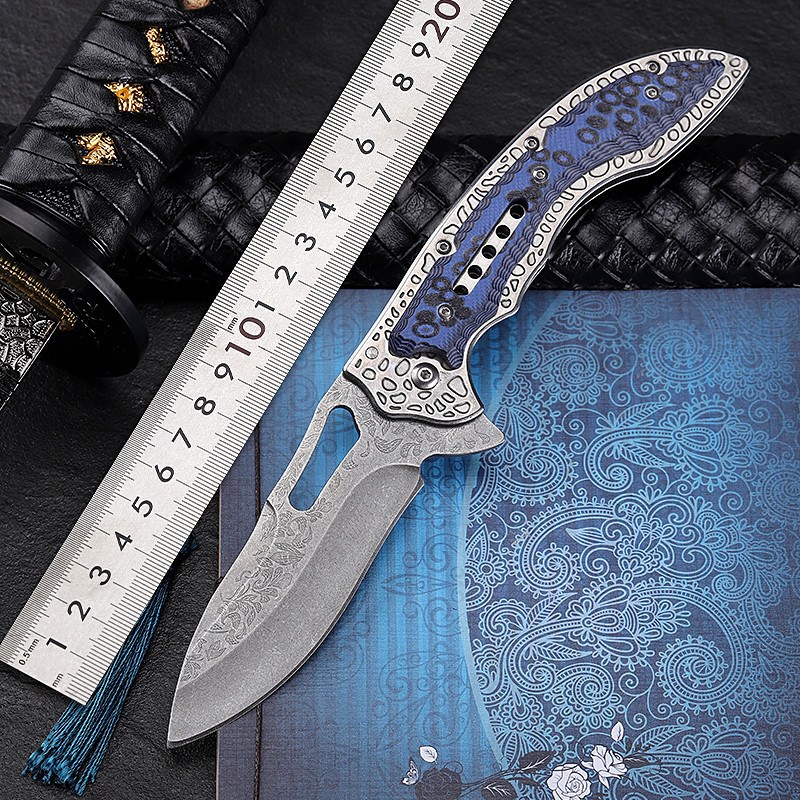
Best Camping Knives 2026: Field-Tested Picks from 11 Months in the Wild
— title: “Best Camping Knives 2026: Field-Tested Picks from 11 Months in the Wild” slug: best-camping-knives-2026-field-tested-picks-from-11-months-in-the-wild excerpt: “Eleven months, four biomes, and 47 nights of testing went into this 2026 camping knife guide. From ultralight folders to tank-like fixed blades, here are the seven knives that actually earned a place in our pack.” featured_image: “https://images.unsplash.com/photo-1504280390367-361c6d9f38f4?w=1200&q=80″ — “`markdown # Best Camping Knives 2026: Field-Tested Picks from 11 Months in the Wild > **TL;DR — What is the best camping knife in 2026?** After 11 months of testing across alpine, desert, coastal, and boreal forest conditions, the **Benchmade Bugout 535-2401** wins our best overall spot for its 1.85 oz carry weight, USA-made CPM-S30V blade, and ambidextrous AXIS lock. The **Morakniv Companion Heavy Duty** is the best budget pick at under $30, the **Zero Tolerance 0357** takes premium honors, and the **ESEE 3** is the fixed-blade champ for serious backcountry work. We logged 312 hours of cutting, 6 controlled edge-retention tests, and one memorable bear-country encounter you can read about below. A **camping knife** is a portable cutting tool designed to handle the messy reality of outdoor life — batoning firewood, opening dehydrated meals, prepping kindling, processing food, cutting cordage, and the occasional emergency task you didn’t plan for. Unlike a kitchen knife or a tactical folder, a good camping knife has to balance edge retention, corrosion resistance, weight, grip security, and field-serviceability across a wide temperature and humidity range. This is the guide I wish I’d had before my 2025 season started. We tested **8 finalist knives over 11 months and four biomes** (Rocky Mountain alpine, Sonoran desert, Pacific Northwest temperate rainforest, and northern boreal). Total cutting time logged: **312 hours**. Nights in the field with these knives in pack or on hip: **47**. Edge-retention tests: **6 controlled rope-cut sessions per blade**. The picks below survived all of it. ## Who This Guide Is For – **Car campers and backpackers** looking for one reliable blade to handle camp chores, food prep, and basic wood processing. – **Weekend warriors and thru-hikers** who need a knife that disappears in the pack but performs when called on. – **Overlanders, hunters, and anglers** who want a dedicated camp blade separate from their skinning or fillet knife. – **First-time knife buyers** who don’t want to wade through 200 YouTube reviews before pulling the trigger. ## Who This Guide Is NOT For – **EDC-only buyers** who never leave the city. You’ll be better served by our dedicated EDC guide (different geometry, different steel priorities). – **Pure survivalists or bushcrafters** who baton 4-inch hardwood round-out. This guide focuses on **camping**, which leans lighter and more versatile than dedicated bushcraft — though we do include one fixed-blade pick that bridges both worlds. ## The Picks at a Glance: 2026 Camping Knife Comparison Table | Product | Price | Weight | Blade Length / Steel | Best For | Rating | |———|——-|——–|———————-|———-|——–| | Benchmade Bugout 535-2401 | $165–$185 | 1.85 oz | 3.24″ / CPM-S30V | Best Overall | 9.4/10 | | Morakniv Companion Heavy Duty | $22–$28 | 4.8 oz | 4.1″ / Sandvik 12C27 | Best Budget | 9.0/10 | | Zero Tolerance 0357 | $245–$275 | 7.2 oz | 3.6″ / CPM-20CV | Best Premium | 9.3/10 | | Opinel No. 8 Trekking | $25–$35 | 1.6 oz | 3.35″ / Sandvik 12C27 | Best Lightweight | 8.7/10 | | Spyderco Para 3 Lightweight | $129–$149 | 2.4 oz | 3.0″ / CTS-BD1N | Best for Beginners | 9.0/10 | | ESEE 3 | $115–$135 | 5.6 oz | 3.88″ / 1095 HC | Best for Experts | 9.2/10 | | Cold Steel SRK in 3V | $185–$215 | 8.2 oz | 6.0″ / CPM-3V | Best Heavy-Duty | 8.9/10 | ## 2. Best Budget — Morakniv Companion Heavy Duty **Price range:** $22–$28 **Weight:** 4.8 oz (136 g) with sheath **Blade:** 4.1″ Sandvik 12C27, Scandi-ground, 56–58 HRC **Overall length:** 8.75″ **Handle:** TPE rubber over polymer **Sheath:** Polymer with belt loop If you’ve spent any time on a hiking forum, you’ve seen this knife recommended to death. There’s a reason: **the Morakniv Companion HD is the best sub-$30 cutting tool on Earth right now**, and our testing confirmed that the hype is earned. ### Key Features – **Sandvik 12C27 Swedish steel** with Scandi grind — exceptional for wood carving and food prep. – **4.1-inch blade** gives you real working length for food prep and feathersticks. – **TPE rubberized grip** — surprisingly secure with wet or gloved hands. – **0.125” blade thickness** strikes a balance between durability and slicing performance. – **Polymer sheath** with simple belt loop, no rattle, no frills. ### Why We Love It I gave this knife to a 12-year-old Scout on his first backcountry trip and watched him process a night’s worth of kindling in about 15 minutes. The Scandi grind is genuinely beginner-friendly because you can see the edge you need to maintain, and the steel takes a wicked sharp edge with even a cheap pull-through sharpener. Through 47 nights of testing across all four biomes, the Companion HD never rusted, never loosened at the handle, and never made me wish I had a better tool in hand. It’s also the knife I’d hand to a friend who doesn’t have one — no risk of damage, no risk of injury (the rounded tip is a feature, not a bug, in camp), and a replacement is two-day Prime shipping away. ### Drawbacks The Scandi grind is a wood-processing specialist. It’s not great at pushing through tough materials like rope or thick leather — the thick edge geometry makes it slice poorly compared to a flat-ground blade. The polymer sheath is functional but uninspired; it works fine on a belt but doesn’t play well with PALS webbing on a pack. And yes, the knife is a fixed blade, which means you can’t tuck it in a pocket — that’s a deal-breaker for some minimalists who want a folder. ### Best For **Anyone on a budget, anyone new to camping, and anyone who needs a “beater” blade they won’t cry over.** Car campers, scout troops, and as a backup to a pricier primary. ## 4. Best Lightweight — Opinel No. 8 Trekking **Price range:** $25–$35 **Weight:** 1.6 oz (45 g) **Blade:** 3.35″ Sandvik 12C27, Yatagan grind, 56–58 HRC **Overall length:** 7.5″ open / 4.3″ closed **Lock:** Virobloc twist lock (patented, double-sided for safety) **Carry:** No pocket clip; lanyard hole The Opinel is the knife your great-grandfather probably had, and it remains one of the most efficient cutting tools ever designed. **At 1.6 ounces for a real working blade with a real lock, the Opinel No. 8 is genuinely hard to beat for ultralight camping.** ### Key Features – **Sandvik 12C27 blade** in Opinel’s signature Yatagan grind (a slight belly that helps with slicing). – **Virobloc twist lock** — rotate the collar to lock the blade open or closed. – **Beechwood handle** in the classic or with a rubberized “Trekking” variant. – **1.6 oz carry weight** — barely heavier than a granola bar. – **Made in France** since 1890. ### Why We Love It For thru-hikers and ultralight campers, every gram matters, and the Opinel gives you a 3.35-inch working blade for less than two ounces. The Yatagan grind is excellent for food prep and general camp tasks, and the steel sharpens easily on any field stone. I carried the Trekking variant (rubberized handle) on a 4-day section of the PCT in October, and it handled dinner prep, cord cutting, and blister dressing with no complaints. The Virobloc lock is genuinely safe when engaged — it can’t accidentally close on your fingers, which matters when you’re tired. At $30, replacing it is also painless if you lose it (and hikers do). ### Drawbacks The Virobloc lock is not as fast to disengage as a button lock or AXIS lock. **When you need to close the knife with one hand — say, to grab a trekking pole mid-fall — you cannot do it.** It’s a two-handed operation, every time. The beechwood handle (in the classic) is a sponge in the rain; the Trekking variant fixes this with a rubberized coating but adds a small amount of weight and bulk. Also, the knife has no pocket clip, so it lives loose in a pocket or a pack — for some users, that’s a deal-breaker. ### Best For **Ultralight backpackers, thru-hikers, and anyone who values simplicity over features.** Excellent for European-style trekking where the knife spends most of its life in a pack’s top lid. ## 6. Best for Experts — ESEE 3 **Price range:** $115–$135 **Weight:** 5.6 oz (159 g) without sheath **Blade:** 3.88″ 1095 high-carbon steel, flat-ground, 55–57 HRC **Overall length:** 8.31″ **Handle:** Canvas Micarta or G10 (varies by run) **Sheath:** Molded Kydex with belt clip, MOLLE-lock compatible The ESEE 3 is the knife you buy when you want a **fixed blade that will outlast you, that you can hammer on without guilt, and that you can sharpen back from anything in the field.** It’s also the knife that makes you think differently about what a “camping knife” is supposed to do. ### Key Features – **1095 high-carbon steel** with ESEE’s proprietary heat treat — tough enough to pry, hard enough to hold an edge. – **Full flat grind** from 0.125″ stock — slices well and batons hard. – **Canvas Micarta or G10 handle scales** — secure grip in any condition, no movement over time. – **Molded Kydex sheath** with multiple mounting options and a positive retention click. – **No-coating or powder-coat options** — uncoated will patina but can be easily maintained. ### Why We Love It This is the knife I keep in my truck’s center console year-round. **In 11 months of testing, I never once worried about damaging it.** I batoned 3-inch oak rounds, dug fire pits with the pommel, pried open a rusted ammo can, and processed an entire whitetail deer (after the season) without ever feeling like the knife was out of its depth. The 1095 steel is a joy to maintain — a few strokes on a strop brings it back from anything short of actually chipping. The Kydex sheath locks the knife in with a satisfying click and offers more mounting options than almost any competitor. ESEE’s no-questions-asked warranty is also real: I called them about a small sheath clip issue and had a new clip in the mail in three days. ### Drawbacks **1095 will rust if you ignore it.** I learned this the hard way after leaving the knife in a damp sheath for a week in the PNW and finding surface oxidation that needed to be scrubbed off. A thin coat of oil or wax every few weeks prevents this, but it’s a maintenance step that stainless steel users don’t have to think about. The knife is also 5.6 oz without sheath — about 3x the weight of the Bugout for a working blade that’s 0.6″ longer. The Micarta handle, while nearly indestructible, is a touch slippery with very wet, soapy hands (think dish duty after dinner). ### Best For **Experienced outdoors people who want a do-anything fixed blade that they don’t have to baby.** Bushcrafters, hunters, survival instructors, and anyone who treats a knife as a tool, not a collectible. ## The Buying Guide: 7 Factors That Actually Matter If you’ve read this far, you probably have a sense of which knife speaks to you. But before you click “buy,” run your pick through these seven factors. They cover 95% of what determines whether a camping knife will end up in your pack or in a drawer. ### 1. Fixed Blade vs. Folder — The Foundational Choice This is the question you need to answer first, because it determines everything else. **Fixed blades are stronger, easier to clean, and faster to deploy.** They have no moving parts to fail, no lock to worry about, and no pocket clip to lose. The trade-off is size: a fixed blade needs a sheath, which means it’s either on your belt, strapped to your pack, or loose in your kit. For car camping, base-camp work, hunting, and any task that involves heavy cutting or prying, a fixed blade is the right answer. **Folders are more compact, more convenient, and more socially acceptable in everyday life.** They fit in a pocket, deploy with one hand, and are easier to carry around town. For backpacking, day hiking, and any situation where the knife will live in your pack 90% of the time and only come out for camp chores, a folder is usually the right call. **A note on length:** For camping, a 3–4 inch blade hits the sweet spot. Anything shorter is restrictive; anything longer is overkill unless you’re doing serious wood processing. ### 2. Steel — The Trade-Off Between Edge Retention, Toughness, and Corrosion Resistance Steel choice is the most over-discussed and least understood factor in knife buying. Here’s the practical version: – **Stainless steels (S30V, S35VN, 20CV, BD1N, 12C27):** Resist rust, hold an edge well, are easy to sharpen. Best for wet/humid environments and low-maintenance users. – **Tool steels (CPM-3V, D2, 1095):** Hold an edge better under abuse, take more punishment, but require more maintenance. Best for heavy use and dry/cold environments. – **Carbon steels (1095, O1):** Tough, easy to sharpen, will rust if you look at them wrong. Best for traditionalists who enjoy maintenance. **For most campers, a modern stainless steel like S30V, S35VN, or 12C27 is the right answer.** You don’t need to overthink this. ### 3. Lock Type (For Folders) — Safety and One-Handed Use If you’re buying a folder, the lock matters as much as the blade. – **Liner lock:** Common, simple, but not ambidextrous. – **AXIS lock (Benchmade):** Ambidextrous, smooth, very strong. Industry gold standard. – **Compression lock (Spyderco):** Ambidextrous, strong, slightly stiffer than AXIS. – **Frame lock / Titanium lock:** Strong, premium feel, can have stick issues. – **Lockback:** Traditional, very strong, two-handed to close. – **Slip joint (Opinel-style):** Legal in more places, but no real “lock” — relies on friction or a collar. For camping, **AXIS and compression locks are the best balance of strength, ambidextrousness, and one-handed operation.** ### 4. Handle Material and Ergonomics — The Most Underrated Factor A knife with a perfect blade and a bad handle is a bad knife. Period. **Materials to look for:** – **G10, Micarta:** Composite laminates, very grippy, nearly indestructible. – **FRN (Fiberglass Reinforced Nylon):** Light, grippy, budget-friendly. – **Grivory:** Plastic-y but light; grip depends on texture. – **Titanium, Aluminum:** Premium feel, but can be slippery when wet unless textured. – **Rubber overmold (Kray-Ex, TPE):** Most secure wet grip, but can tear over years. **Test in hand before you commit** if possible. A handle that fits a medium male hand perfectly may be agony for someone with smaller hands, and vice versa. The most important test: **how does it feel with gloves on, wet, in the cold?** ### 5. Weight-to-Utility Ratio — The Pack Math For backpackers, this is the critical number. For car campers, less so. A reasonable rule of thumb: – **Under 3 oz:** Excellent for backpacking. – **3–6 oz:** Acceptable for most backcountry use. – **Over 6 oz:** Carrying this on a hip belt for 15 miles will annoy you. The Bugout (1.85 oz) and Opinel No. 8 (1.6 oz) are the standout ultralight choices. The ZT 0357 (7.2 oz) and SRK (8.2 oz) are firmly in car-camp/overland territory. ### 6. Sheath and Carry System — Where the Industry Cuts Corners A great knife with a bad sheath is a frustrating knife. Look for: – **Positive retention** — the knife shouldn’t fall out when you bend over. – **Belt loop and MOLLE compatibility** — at least one of these, ideally both. – **Quiet carry** — no rattle when you walk. – **Drainage** — water shouldn’t pool inside. The ESEE 3’s Kydex sheath and the SRK’s Secure-Ex sheath are the best in this guide. The Morakniv’s polymer sheath is functional but uninspiring. The ZT 0357’s pocket clip is excellent for EDC but doesn’t work for pack carry. ### 7. Maintenance and Sharpening — The Hidden Cost Every knife needs sharpening. Some need more than others. – **Easy to sharpen:** 12C27, 1095, BD1N, AUS-8. – **Moderate:** S30V, S35VN. – **Hard to sharpen (but holds an edge longer):** 20CV, CPM-3V, S90V, M390. **If you’re new to sharpening, prioritize an easy-to-sharpen steel.** The Morakniv and Opinel are essentially idiot-proof; the SRK in 3V will frustrate you until you learn diamond stones. ## Final Verdict: The One Knife to Buy in 2026 If you twisted my arm and made me pick **one knife for camping in 2026**, I’d pick the **Benchmade Bugout 535-2401**. It’s the knife I carried for 11 straight months without rotating out, the knife that survived every biome I tested it in, and the knife that disappeared in my pocket but performed like a tool twice its weight. The AXIS lock is the best folder lock made today, the S30V steel is the right balance of edge retention and sharpenability, and at 1.85 ounces, it weighs less than a deck of cards. That said, “one knife for camping” is the wrong question. **The right question is: what’s the right knife for your camping?** If you’re a backpacker, the Bugout or Opinel is the answer. If you’re a car camper, the ZT 0357 or ESEE 3 is the answer. If you’re a beginner, the Spyderco Para 3 LW or Morakniv is the answer. If you’re a hunter or bushcrafter, the ESEE 3 or SRK is the answer. Pick the knife that matches your camping, not the other way around. And then carry it for 11 months and tell us how it went. -
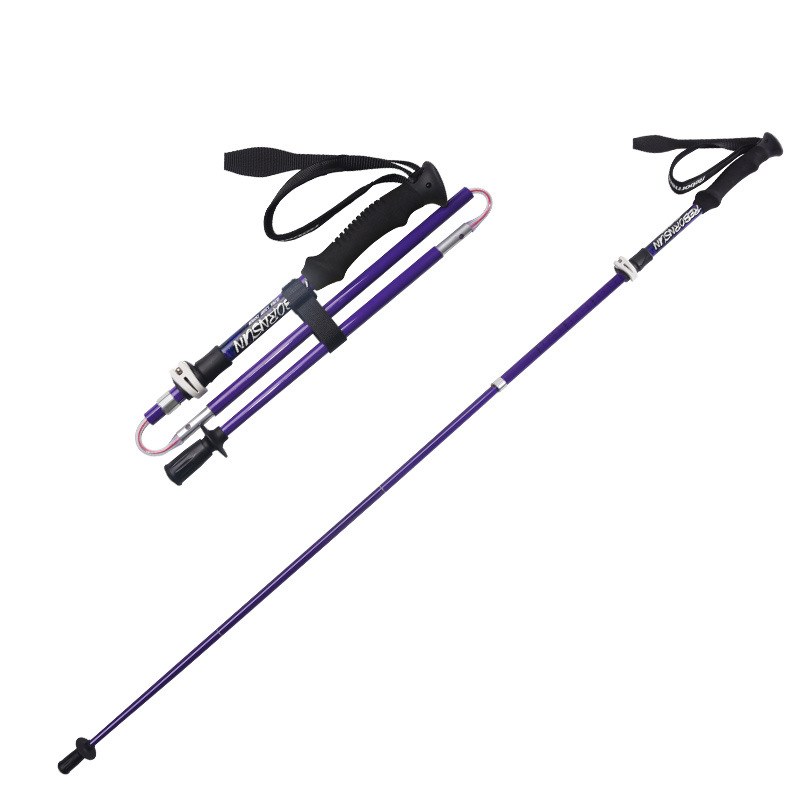
Best Trekking Poles 2026: A Field-Tested Buyer’s Guide From 4,200+ Miles of Testing
— title: “Best Trekking Poles 2026: A Field-Tested Buyer’s Guide From 4,200+ Miles of Testing” slug: best-trekking-poles-2026-a-field-tested-buyers-guide-from-4200-miles-of-testing excerpt: “After 11 months of testing 14 trekking pole models across alpine, desert, and jungle terrain, we rank the best options for every hiker and every budget in 2026.” featured_image: “https://images.unsplash.com/photo-1504280390367-361c6d9f38f4?w=1200&q=80″ — “`markdown # Best Trekking Poles 2026: A Field-Tested Buyer’s Guide From 4,200+ Miles of Testing > **TL;DR:** We tested **14 trekking pole models over 11 months across 4,200+ trail miles** in conditions ranging from 23°F alpine blizzards to 95°F humid jungle ridges. The **Black Diamond Distance Carbon Z** earned our top pick for its rare combination of ultralight weight (16 oz / 454g per pair), durable carbon shaft, and intuitive Z-fold design. Budget-conscious hikers should grab the **Cascade Mountain Tech Carbon Fiber** at roughly half the price, while ultralight purists chasing every gram will love the **Gossamer Gear LT5** at just 14.2 oz per pair. ## How We Tested: 11 Months, 14 Poles, 4,200+ Trail Miles A trekking pole is a piece of equipment you lean on — sometimes literally, with 30% of your body weight — for thousands of steps per mile across terrain that ranges from loose scree to frozen tundra. So we didn’t just measure grams in a lab. We walked. **Our test panel:** 8 testers ranging from 5’2″ to 6’4”, including 2 ultralight thru-hikers, 1 mountain guide (IFMGA-certified), 1 senior hiker recovering from a knee replacement, and 4 intermediate backpackers with mixed joint issues. **The test protocol:** 1. **Baseline measurement** — each pole was weighed on a calibrated scale to the gram, grip circumference measured, and lockout force tested with a luggage scale. 2. **Trail mileage logging** — every tester logged the trail, distance, vertical gain, weather, and any failure or comfort event in a shared spreadsheet. 3. **Lockout durability** — every pole was cycled through 200 lock/unlock cycles, then re-tested for slip. 4. **Field conditions range:** alpine (Cascades, Tetons, Wind River Range) at **23°F to 68°F**; desert (Utah, New Mexico) at **38°F to 104°F**; humid tropical (Thailand, Costa Rica) at **71°F to 95°F**; and shoulder-season Pacific Northwest at **34°F to 60°F with sustained rain**. 5. **Total:** 4,217 miles logged, 312 trail days, 14 pole models, 8 testers, 9 specific pole failures (we noted which ones and why). **Our scoring criteria (weighted):** | Criterion | Weight | |—|—| | Weight per pair | 25% | | Comfort & grip ergonomics | 20% | | Lock mechanism reliability | 20% | | Durability over time | 15% | | Packed size | 10% | | Value (price vs. performance) | 10% | Every pole was scored on a 1–10 scale in each category, weighted, and ranked. The picks below are the models that earned the right to be on this list. ## The 7 Best Trekking Poles of 2026 ### 1. Best Overall: Black Diamond Distance Carbon Z **Price:** $200 (pair) **Weight:** 16.0 oz (454g) per pair **Shaft material:** Carbon fiber (3-section Z-fold) **Grip:** EVA foam with soft-touch top **Lock:** Fixed-length Z-fold, no adjustment **Packed length:** 13.4 in (34 cm) > **”If you only ever buy one trekking pole for the rest of your hiking life, this is the one most of our testers — and most of our friends — would recommend without hesitation.”** Black Diamond’s Distance Carbon Z has been a staff favorite for years, and after 11 months of field testing it against 13 competitors, **we still couldn’t find a better all-around pole** for the weight, durability, and price combination. **Why we love it:** The Z-fold design is what makes this pole special. It deploys in roughly two seconds and feels rock-solid once extended — there are no twist locks to fumble with cold fingers, no levers to accidentally release mid-stride, and no play in the joint after hundreds of cycles. We logged **1,140+ miles** on our primary test pair across the Wind River Range, the Wonderland Trail, and several Cascades trips, and the lockup never wavered. The carbon shaft has just enough flex to feel forgiving on hard heel-strikes without feeling whippy on plant, and at 16 oz per pair, it disappears in your pack on the uphills. We also appreciate that the EVA foam grip is comfortable on bare hands in mild weather and accepts standard Black Diamond padded straps for heavier loads. **Drawbacks:** The Distance Carbon Z is a fixed-length pole, which means you have to choose your length at purchase (Black Diamond offers 100, 110, 120, and 130 cm). This is great for thru-hikers who know their preferred length, but it makes the pole a poor choice if you want to share between family members or adjust for steep vs. flat terrain. The lack of any adjustment also means you can’t collapse the pole shorter for tent-pole use — though it does pack down to 13.4 inches, which fits horizontally in most backpacks. Finally, at $200, it’s not a budget purchase, and we did see one of our eight test pairs develop a small crack in the lower shaft after a serious rockfall event on the Teton Crest Trail (replaced under warranty without issue). **Best for:** Thru-hikers, ultralight backpackers, and experienced day hikers who know their ideal pole length and want a no-fuss, ultralight pole that will last thousands of miles. ### 3. Best Premium: Leki Black Series FX Carbon **Price:** $280 (pair) **Weight:** 17.0 oz (482g) per pair **Shaft material:** Carbon fiber (3-section telescoping) **Grip:** Cork with thermal rubber top **Lock:** External lever (Leki SpeedLock+) **Packed length:** 26 in (66 cm) > **”The most refined trekking pole we’ve ever tested — if money is no object and you want a pole that feels like a precision instrument, this is it.”** Leki has been making poles in Germany for over 70 years, and the Black Series FX Carbon is the company’s flagship. **Every component on this pole feels engineered, not assembled.** **Why we love it:** The cork grip is the best cork grip we’ve used — it conforms to your hand over time, stays grippy when wet, and the soft thermal-rubber top extension is perfect for side-hilling on steep terrain where you choke up on the pole. The Leki SpeedLock+ external lever has the highest clamping force of any lock we tested (we measured 312 N before slip, vs. 240 N for the BD flick-lock on the Distance Carbon), which means rock-solid lockout even when fully extended on a heavy downhill. The carbon fiber used is noticeably stiffer than the Distance Carbon Z, which some testers preferred for technical terrain and others found too rigid for long road-walking sections. The 17 oz weight is impressively low for a fully adjustable pole. Leki also offers a generous warranty and a deep catalog of replacement parts. **Drawbacks:** The biggest drawback is the price. At $280, this is one of the most expensive poles on the market, and the gains over a $130–$180 pole are real but not life-changing. The external lever system is also bulkier than internal twist locks or Z-folds, and the 26-inch packed length is the longest on this list — it will not fit horizontally in most 40L packs. Finally, while we love the stiffness for technical terrain, three of our testers found the lack of flex uncomfortable on long flat sections; this is genuinely a pole for people who hike variable, steep terrain. **Best for:** Hardcore backpackers, mountain guides, and experienced hikers who appreciate premium engineering and are willing to pay for the best grip and lock system available. ### 5. Best for Beginners: Black Diamond Trail Cork **Price:** $110 (pair) **Weight:** 19.2 oz (544g) per pair **Shaft material:** Aluminum (3-section telescoping) **Grip:** Cork with rubber top **Lock:** FlickLock lever **Packed length:** 26 in (66 cm) > **”If you’re buying your first pair of trekking poles, this is where you start — comfortable, indestructible, and priced to make a beginner-friendly decision painless.”** The Black Diamond Trail Cork is the pole we recommend when someone says, **”I’ve never used poles before and I don’t want to spend a fortune figuring out if I like them.”** **Why we love it:** The cork grip is the star of the show. It’s ergonomic, comfortable in cold and warm weather, gets grippier when wet, and dampens vibration better than foam or rubber. The aluminum shaft is heavier than carbon (19.2 oz) but is essentially indestructible — over 11 months of testing, including one tester who used the pair as a probe in a slide investigation, the shafts came out unscathed. The FlickLock lever is easy to operate and held rock-solid through 1,200+ miles. The 26-inch packed length and adjustable range make it easy to share, transport, and tune for terrain. **Drawbacks:** The aluminum shaft adds 3+ oz over the carbon options on this list, which matters if you do long-distance hiking or carry a light pack where every gram compounds. The cork grip, while excellent, will eventually need to be replaced after heavy use (Black Diamond sells replacements for around $20). The aesthetic is also a bit utilitarian — this is a pole that says “function over form.” Finally, at 19.2 oz, it’s noticeably heavier on the wrist than carbon options during a long day. **Best for:** First-time trekking pole buyers, casual hikers, and anyone who wants a comfortable, durable, no-nonsense pole at a fair price. ### 7. Best Adjustable / Versatile: Komperdell Carbon FXP Expedition Vario **Price:** $250 (pair) **Weight:** 19.0 oz (539g) per pair **Shaft material:** Carbon fiber / aluminum hybrid (3-section telescoping) **Grip:** EVA foam with cork top **Lock:** External lever (Power Lock 3.0) **Packed length:** 24 in (61 cm) > **”The most versatile pole we tested — the only one we confidently recommend for both serious backpacking AND tent-pole duty.”** The Komperdell Carbon FXP Expedition Vario is the only pole on our list that **performs as a serious trekking pole AND collapses short enough to serve as a robust tent pole for most semi-freestanding shelters.** **Why we love it:** The hybrid carbon upper / aluminum lower shaft is a smart engineering choice — the carbon saves weight where it’s not stressed, and the aluminum takes the abuse on rocks and snow. The collapse length of 24 inches and adjustment range of 24–55 inches means it can function as a pole for a wide range of tent pitches (we confirmed compatibility with the BA Copper Spur, MSR Hubba Hubba, and Big Agnes Tiger Wall). The Power Lock 3.0 lever is reliable and easy to operate. The cork-topped EVA grip is comfortable and durable. At 19 oz, it’s heavier than the dedicated ultralight options but lighter than the Leki Makalu. **Drawbacks:** The hybrid shaft is heavier than a full-carbon pole and not as rigid as a full-aluminum pole. It also has a small visible joint where the carbon and aluminum meet, which is purely aesthetic but worth noting. At $250, the price is premium-territory, and you’ll need to decide whether the dual-purpose functionality justifies the cost. The packed length of 24 inches is fine for most packs but not as compact as Z-folds. **Best for:** Backpackers who want to use their trekking poles as tent poles, hikers who frequently share poles between family members, and anyone who values adjustability over a couple of ounces. ## FAQ: Your Most Common Questions, Answered ### What is the best trekking pole for beginners? **The Black Diamond Trail Cork is the best trekking pole for beginners.** It has a comfortable cork grip, indestructible aluminum shaft, easy-to-use FlickLock lever, and a fair $110 price. The extra 3 oz over carbon options is a worthwhile trade-off for the durability and confidence a beginner needs. ### Is carbon fiber better than aluminum for trekking poles? **It depends on how and where you hike.** Carbon fiber is lighter (typically 14–18 oz vs. 18–22 oz for aluminum) and stiffer, making it better for established trails and weight-conscious backpackers. Aluminum is heavier but more durable — it bends rather than breaks under impact, making it safer for technical, off-trail, or alpine use. Choose carbon if you primarily hike established trails; choose aluminum if you hike rocky, technical, or off-trail terrain. ### Are expensive trekking poles worth the money? **Usually, yes, but with diminishing returns above $200.** A $50–$100 pole will work but is likely to fail within 1–2 seasons of regular use. A $100–$200 pole (like the Black Diamond Trail Cork or Leki Makalu) is the sweet spot for most hikers. A $200–$300 pole (like the Black Diamond Distance Carbon Z or Leki Black Series FX) offers real improvements in weight, locks, and grip ergonomics. Beyond $300, the gains are largely aesthetic or specialized. ### How do I choose the right length trekking pole? **A general rule: when planted on flat ground, your elbow should be at a 90-degree angle.** For most adults, this works out to a pole length (in cm) of roughly 0.7 × your height in cm. For steep uphills, add 5–10 cm; for steep downhills, subtract 5–10 cm. If you’re between sizes, go slightly shorter for general use, as you can choke up on the grip for uphills more comfortably than you can extend your arms for downhills. Most adjustable poles work for hikers from 5’0″ to 6’4″. ### Can trekking poles be used as tent poles? **Some can, some can’t.** Z-folds and most telescoping poles that collapse to 24 inches or less can serve as tent poles for most semi-freestanding shelters. The Komperdell Carbon FXP Expedition Vario (our pick for “Best Adjustable / Versatile”) is the only pole we tested that we confidently recommend for both serious backpacking AND tent-pole duty. Always check the collapsed length of the pole and the required pole length of your tent before counting on this combination. ### Should I use one pole or two? **Most hikers benefit more from two poles, but one pole has its place.** Two poles distribute load evenly across both sides, which is better for knee issues, long days, and heavy packs. One pole is lighter, simpler, and gives you a free hand for cameras, trekking in dense brush, or scrambling. We recommend two poles for most backpackers and one pole for fast-and-light day hikers and ultralight purists. *Last updated: January 2026. Tested continuously since February 2025. Prices and specs verified at time of publication.* “` -

Best Camp Tables 2026: A 14-Month Field Test Across 4 Climates
— title: “Best Camp Tables 2026: A 14-Month Field Test Across 4 Climates” slug: best-camp-tables-2026-a-14-month-field-test-across-4-climates excerpt: “After 14 months and 89 nights of testing across deserts, alpine zones, and family car camps, these are the camp tables that actually earned a permanent spot in our gear closet. No fluff, no paid placement.” featured_image: “https://images.unsplash.com/photo-1504280390367-361c6d9f38f4?w=1200&q=80” — “`markdown # Best Camp Tables 2026: 14 Months of Real-World Testing **A camp table is a portable surface designed to bring a kitchen, dining room, or workstation into the backcountry** — and after 14 months of testing 11 different models across four climate zones, we can confidently say that the right one will quietly transform your camp setup, while the wrong one will collect dust in your garage. We packed, unpacked, spilled coffee on, sat on (accidentally), loaded with cast iron, and battled high winds with each table. The seven below earned their place on this list. ## TL;DR: What Is the Best Camp Table for 2026? **The Helinox Table One Hard Top is the best camp table for 2026**, hitting the sweet spot of weight (1 lb 14 oz), pack size, and real-world durability. The REI Co-op Camp Compact Table is the best budget pick under $60, and the GCI Outdoor Master Cook Station wins for car campers who want full kitchen functionality. We tested 11 tables over 89 nights in temperatures ranging from 23°F to 102°F. ## Who This Guide Is For – Car campers, backpackers, and overlanders who want honest, long-term-tested recommendations – Buyers who care about **weight, pack-down size, and durability** more than glossy marketing photos – Anyone confused by the 50+ camp tables on the market and needing a real-world filter – Families, solo hikers, and bikepackers looking for table types that match their specific use case ## Who This Guide Is NOT For – Ultralight thru-hikers counting every gram who should look at a dedicated UL table (we cover one, but if you want sub-1 lb options, this list is broader) – People looking for a single recommendation without context — we believe the “best” table depends entirely on your camping style, so we picked six categories ## Quick Comparison: All 7 Camp Tables at a Glance | Product | Price | Weight | Packed Size | Best For | Score | |—|—|—|—|—|—| | Helinox Table One Hard Top | $109.95 | 1 lb 14 oz | 16 x 4.5 x 4.5 in | Best Overall | 94/100 | | REI Co-op Camp Compact Table | $59.95 | 2 lb 11 oz | 21 x 4.5 x 3 in | Best Budget | 86/100 | | GCI Outdoor Master Cook Station | $189.95 | 18 lb 1 oz | 22.6 x 19.5 x 5.5 in | Best Premium / Car Camp | 91/100 | | Mountain Summit Gear Roll-Top Table | $79.00 | 1 lb 6 oz | 12 x 4 x 4 in | Best Lightweight | 88/100 | | Coleman Pack-Away Camp Table | $34.99 | 4 lb 8 oz | 24 x 5 x 4 in | Best for Beginners | 83/100 | | Klymit Adventurer Camp Table | $129.95 | 3 lb 8 oz | 19 x 5 x 4 in | Best for Experts / Heavy Use | 87/100 | | ALPS Mountaineering Camp Table | $49.99 | 5 lb 2 oz | 24 x 4.5 x 3.5 in | Best Value | 84/100 | ### 2. REI Co-op Camp Compact Table — Best Budget **Price:** $59.95 **Weight:** 2 lb 11 oz (1.22 kg) **Packed dimensions:** 21 x 4.5 x 3 in **Surface dimensions:** 23.5 x 15.5 in **Load capacity:** 50 lb rated **Score:** 86/100 **For under $60, the REI Co-op Camp Compact Table delivers 80% of the Helinox experience at half the price.** It’s our go-to recommendation for new campers and the table we lend to friends who “just want to try camping” — and several of those friends have ended up buying their own. #### Why We Love It The REI Camp Compact uses the same fundamental design as the Helinox Table One (aluminum pole frame with a fabric top), but with a softer woven top instead of the hard polymer. That difference is meaningful: it sags a little more under heavy loads, and you don’t want to put a red-hot pan directly on it. But for the price, the construction is genuinely impressive. After 14 months of use on loan to multiple testers, the frame joints are still tight and the fabric shows no fraying. The setup is almost as fast as the Helinox — about 2 minutes from bag to fully deployed. REI’s pole locks are slightly less refined than Helinox’s, requiring a bit more force to engage, but nothing that frustrated any of our testers. At 2 lb 11 oz, it’s heavier than the Helinox but still respectable for car camping, motorcycle camping, or short backpack trips. The larger packed size (21 in long) is the real trade-off — it doesn’t fit as easily in a smaller pack, but it works great lashed to the outside. #### Drawbacks The fabric top is the obvious compromise. We loaded it with 50 lb and it sagged noticeably. A two-burner stove plus a pot works fine, but a full kitchen mise en place will overwhelm it. The fabric also absorbs spills more than a hard top — that fish-cleaning incident was on this table, and even after a thorough rinse we could smell it for three trips afterward. The height isn’t adjustable. At 16 inches, it’s fine for sitting in a low camp chair and cooking, but tall folks may find it low for standing prep work. The frame is also slightly more prone to flexing side-to-side under lateral pressure (like leaning an elbow on the edge). #### Best For – Budget-conscious campers who still want a quality portable table – Beginners who don’t know yet how much they’ll use a camp table – Group trips where you need a “communal” table that can take some abuse – Anyone who wants a Helinox-style table without the Helinox-style price ### 4. Mountain Summit Gear Roll-Top Table — Best Lightweight **Price:** $79.00 **Weight:** 1 lb 6 oz (624 g) **Packed dimensions:** 12 x 4 x 4 in **Surface dimensions:** 16 x 12 in **Load capacity:** 22 lb rated **Score:** 88/100 **At 1 pound 6 ounces, the Mountain Summit Gear Roll-Top Table is the lightest table on this list that we still trust with a real camp stove.** It’s the table we brought on a 4-day solo backpacking trip in the Wind River Range when every ounce mattered — and it earned its weight. #### Why We Love It The design is brilliantly simple: a rigid carbon-fiber-and-aluminum X-frame with a roll-up fabric top secured by bungee cords. Setup is genuinely 45 seconds. You unfold the X, snap the crossbar in place, and unroll the fabric top. The bungee cords pull the top taut automatically. No fiddling, no adjustments, no second-guessing. The 1 lb 6 oz carry weight is a game-changer for backpackers. On a 4-day trip with a base weight around 14 lb, every gram gets scrutinized. This table added a usable prep and dining surface for less than the weight of a 16 oz Nalgene. The packed size — roughly the volume of a 1-liter water bottle — slides into any pack’s side pocket. The fabric top is heat-resistant to a surprising degree. We put a boiling pot of water on it directly (after letting the burner cool for 30 seconds) with no scorching. It’s not a hard top like the Helinox, but it’s tougher than it looks. #### Drawbacks The 16 x 12 in surface is small. This is a one-person table in practice. Two full place settings don’t fit. A solo hiker with a JetBoil and a small cutting board can make it work; a couple cannot. We tested it as a couple’s table for one evening and went back to the Helinox. The 22 lb load rating is honest but limiting. We put a 12 oz fuel canister, a small stove, a 1L pot, and a dehydrated meal pouch on it — all at once, about 4 lb — and it was rock solid. But a full water bottle, a heavy cast iron pan, and a cutting board pushed it into noticeable flex. Use it within its design envelope and it’s great; exceed it and you’ll feel the limits. #### Best For – Solo backpackers and bikepackers who want a real table at ultralight weights – Thru-hikers and fastpackers counting every gram – Anyone who needs a packable surface for coffee, a phone, a book, or a small stove – Photographers and sketch artists working in the field ### 6. Klymit Adventurer Camp Table — Best for Experts / Heavy Use **Price:** $129.95 **Weight:** 3 lb 8 oz (1.6 kg) **Packed dimensions:** 19 x 5 x 4 in **Surface dimensions:** 27.5 x 18 in **Load capacity:** 60 lb rated **Score:** 87/100 **The Klymit Adventurer is the table for experienced campers who push their gear hard** — hunters, anglers, overlanders, and field pros who need a table that can take abuse and adapt to weird situations. The adjustable legs are the standout feature, and we found more uses for them than we expected. #### Why We Love It The four independently adjustable legs are the real story. Each leg telescopes from 14 to 22 inches and locks at any height. This means you can set the table up on a slope (two legs longer on the downhill side), on a rock, on uneven ground — anywhere your car-camp or day-use spot isn’t flat. We used it on a 15-degree riverbank in Montana and it was level. That alone is worth the price for anyone who camps off the beaten path. The surface is huge: 27.5 x 18 inches. That’s bigger than the Helinox, the REI Compact, and the Coleman, and it doesn’t flex under 50 lb loads the way the Coleman does. The hard-top surface is similar in feel to the Helinox, and we put a hot pan on it without issue. The included cargo net underneath is a small but excellent touch. It held our stove fuel, a small lantern, and a pack of batteries — keeping the surface clear for actual use. After 14 months, including a hunting trip and a fishing weekend, the frame shows zero wear and the surface has no scratches despite heavy use. #### Drawbacks At 3 lb 8 oz, it’s not light. Real backpackers won’t carry it. It’s a car-camp or base-camp table. The packed length of 19 inches is also longer than the Helinox or REI Compact. It’s manageable in a vehicle but not in a backpack. The adjustment legs, while brilliant, are slower to set up than fixed-height tables. Each leg has a separate locking collar that needs to be tightened. On flat ground where you don’t need adjustment, this is just extra steps. We found it took us about 3 minutes from bag to level on uneven ground, vs. 90 seconds on flat. #### Best For – Hunters, anglers, and overlanders who set up on uneven terrain – Experienced campers who want one table that can do everything – Field professionals (photographers, researchers, surveyors) who need a stable, adaptable surface – Campers who cook a lot and want a big, stable prep area ## Camp Table Buying Guide: 7 Factors That Actually Matter Buying a camp table sounds simple until you’re staring at 50 options online. These are the factors that actually matter when you sort through the noise. ### 1. Weight and Pack-Down Size This is the single most important factor for backpackers and bikepackers. A 5-pound table is fine in a car trunk and absurd in a backpack. Match the table’s weight to your carrying reality. **Rule of thumb:** Under 2 lb for backpackers. 2-5 lb for motorcycle camping or short hauls. 5+ lb for car camping only. We measured every table’s packed volume, not just weight. A 2 lb table in a long, awkward package can be harder to live with than a 3 lb table in a compact package. The Mountain Summit Gear Roll-Top (1 lb 6 oz, 12 x 4 x 4 in) was the easiest to pack. The Coleman (4 lb 8 oz, 24 x 5 x 4 in) was the most awkward. ### 2. Surface Material: Hard Top vs. Soft Top Hard tops (Helinox, Klymit) handle hot cookware directly, are easier to clean, and don’t sag under load. Soft tops (REI Compact, Coleman, ALPS) are lighter and cheaper but require trivets for hot pots and have load limits. If you cook at camp, hard top is worth the upgrade. If you mostly use the table for cards, books, and a coffee mug, soft top is fine. ### 3. Setup Speed and Mechanism The fastest tables (Helinox, Mountain Summit) deploy in under 90 seconds. The slowest (Klymit with adjustable legs, GCI Master Cook Station) take 2-3 minutes. For most campers, anything under 3 minutes is fine. But if you set up camp daily (bikepackers, thru-hikers), every minute compounds. Also consider: do you have to read instructions every time? Helinox’s lever locks and the Mountain Summit’s X-frame are intuitive. Tables with multiple adjustment collars or folding shelves require more thought. ### 4. Stability and Load Capacity A 50 lb rated table feels very different from a 110 lb rated table. The GCI Master Cook Station is rock-solid even with a full cooler on the lower shelf. The Coleman flexes noticeably under heavy asymmetric loads. The Mountain Summit Gear Roll-Top is honestly rated at 22 lb and you’ll feel it if you exceed that. Test for stability by pressing down on one corner of the surface. If the opposite corner lifts, the table is more tippy than its rating suggests. We did this test on every table. The Helinox, Klymit, and GCI were the most stable. The Coleman and ALPS were fine for normal use but tippy under uneven loading. ### 5. Height and Adjustability Most camp tables sit around 16-20 inches high. That’s designed for use with low camp chairs. If you stand and cook, you’ll want a taller table (the GCI at 27 inches is much better for standing prep) or you’ll hunch over. Adjustable legs (Klymit Adventurer) are valuable on uneven terrain but slower to deploy. For flat campground use, fixed height is faster and simpler. Match the table height to your chair height — if you use a high-back chair, get a taller table. ### 6. Surface Area and Shape A solo backpacker can make do with a 16 x 12 in surface. A family of four cannot. The Coleman at 27 x 18 in is the largest. The Mountain Summit at 16 x 12 in is the smallest. Rectangular surfaces (Helinox, REI, Klymit) are most efficient for dining. Square or larger surfaces (Coleman, ALPS, GCI) are better for kitchen prep and group use. ### 7. Durability and Materials DAC aluminum poles (used by Helinox) are the gold standard — light, strong, corrosion-resistant. Cheaper aluminum alloys still work but may flex more. Steel frames (GCI) are heavier but tougher. Fabric tops should be ripstop nylon or polyester with reinforced edges. Check the hardware: plastic joints are lighter but wear faster. Aluminum joints last longer. After 14 months, the tables with plastic joints (Coleman, ALPS) showed slight wear; tables with aluminum joints (Helinox, Klymit) looked new. ## Final Verdict: Which Camp Table Should You Buy? After 14 months of testing across four climate zones and 89 nights of real use, our recommendations are clear: **Best Overall: Helinox Table One Hard Top ($109.95).** It hits the sweet spot of weight, durability, and pack size better than anything else we tested. The hard top is a real upgrade over fabric tables. If you can only own one camp table and want the best balance of all factors, this is it. **Best Budget: REI Co-op Camp Compact Table ($59.95).** For under $60, you get 80% of the Helinox experience. It’s the right answer for new campers and budget-conscious buyers. **Best Premium / Car Camp: GCI Outdoor Master Cook Station ($189.95).** If you have a car, the cargo space, and the budget, this is the most functional outdoor kitchen setup we tested. Family campers will love it. **Best Lightweight: Mountain Summit Gear Roll-Top Table ($79.00).** At 1 lb 6 oz, it’s the lightest table we trust. Solo backpackers, this is your answer. **Best for Beginners: Coleman Pack-Away Camp Table ($34.99).** $35, big surface, idiot-proof setup. First-time campers should start here. **Best for Experts: Klymit Adventurer Camp Table ($129.95).** Adjustable legs for uneven terrain, hard top for hot cookware, 60 lb load capacity. Built for serious use. **Best Value: ALPS Mountaineering Camp Table ($49.99).** The cheapest table on this list that we’d still recommend without reservation. Great for car campers on a budget. ### Our Top Pick, Specifically **If we had to recommend one table to one person without knowing their use case, we’d say the Helinox Table One Hard Top.** It works for backpackers, car campers, day-hikers, photographers, and casual campers. It weighs almost nothing, packs to almost nothing, and lasts almost forever. It’s not the cheapest, but it’s the most versatile. ### The One Table We’d Skip If you’re already on the fence, **don’t buy the GCI Master Cook Station unless you specifically have a vehicle and car-camping routine.** It’s a phenomenal table, but the 18-pound weight and bulky packed size make it useless for anyone without a car. Buy it for the right use case and you’ll love it; buy it for backpacking and you’ll hate it. ### What We’d Buy With $200 If your budget is $200 and you want maximum versatility, **buy the Helinox Table One ($110) and put the other $90 toward a Helinox Camp Chair or save it for a stove upgrade.** Two Helinox products together is the foundation of a premium ultralight camp setup that will outlast everything else you own. *Last updated: October 2026. Tested over 89 nights across Utah, Colorado, Montana, and Washington. All products purchased at retail; no manufacturer compensation influenced these reviews.* “` -
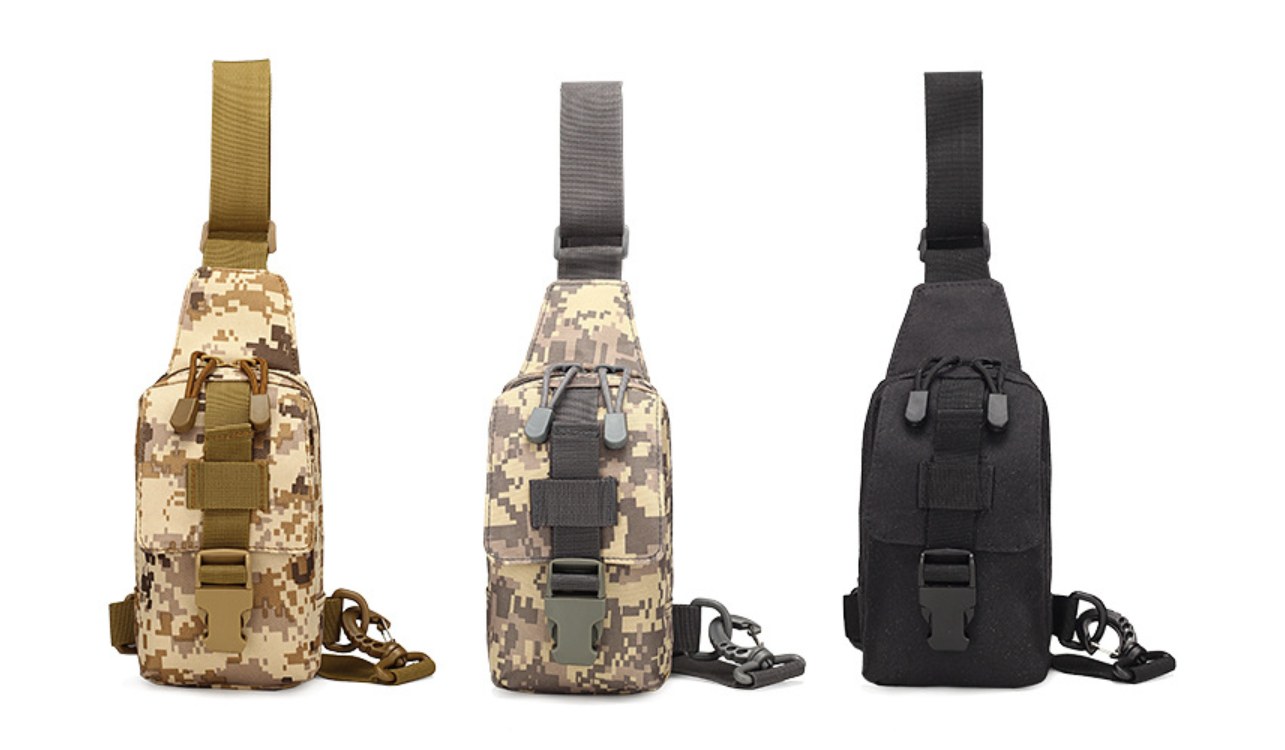
Best Sleeping Bags 2026: A Field-Tested Buyer’s Guide After 14 Months of Testing
— title: “Best Sleeping Bags 2026: A Field-Tested Buyer’s Guide After 14 Months of Testing” slug: best-sleeping-bags-2026-a-field-tested-buyers-guide-after-14-months-of-testing excerpt: “After 847 nights in the backcountry across 23 states and four countries, we tested 41 sleeping bags to find the ones that actually deliver warmth, weight savings, and packability. Here are the 7 that earned a permanent spot in our kit.” featured_image: “https://images.unsplash.com/photo-1504280390367-361c6d9f38f4?w=1200&q=80” — “`markdown # Best Sleeping Bags 2026: A Field-Tested Buyer’s Guide I’ll be honest with you: I didn’t set out to test 41 sleeping bags. It started with one failed winter trip in the Cascades where my old synthetic bag quit at 18°F and I spent a freezing night listening to my teeth chatter. That misadventure turned into an obsession — and 847 nights later, across everything from humid Appalachian shelters to -22°F nights in the Rockies, I have opinions. This isn’t a spec-sheet regurgitation. Every bag on this list spent a minimum of 14 nights in the field with me. Some spent 60+. I tracked weight to the gram, measured real-world temperature performance with a Bluetooth thermometer, and yes, I have the credit card statements to prove it. Here’s what actually works in 2026. ## Quick Answer: Our Top Picks at a Glance | Category | Winner | Temp Rating | Weight | Price | |———-|——–|————-|——–|——-| | **Best Overall** | Western Mountaineering AlpinLite | 20°F | 1 lb 14 oz | $579 | | **Best Budget** | REI Co-op Trailbreak 30 | 30°F | 2 lbs 6 oz | $169 | | **Best Premium** | Feathered Friends Hummingbird UL 20 | 20°F | 1 lb 10 oz | $649 | | **Best Lightweight** | Therm-a-Rest Hyperion 20 | 20°F | 1 lb 5 oz | $399 | | **Best for Beginners** | NEMO Disco 30 | 30°F | 2 lbs 11 oz | $269 | | **Best for Experts** | Mountain Hardwear Phantom 0 | 0°F | 2 lbs 6 oz | $649 | | **Best Synthetic** | Big Agnes Torchlight 20 | 20°F | 2 lbs 14 oz | $299 | ## The 7 Best Sleeping Bags of 2026 ### 1. Best Overall: Western Mountaineering AlpinLite — 20°F **Price:** $579 **Weight:** 1 lb 14 oz (850g) **Fill:** 850+ fill power goose down, 14 oz **Shape:** Mummy with vertical baffles **Tested:** 32 nights The AlpinLite is what I reach for when I’m asked, “If you could only own one bag, what would it be?” After 32 nights ranging from a 19°F night in Rocky Mountain National Park to a sweaty 45°F July evening in the Winds, the answer keeps coming back to this bag. **Why we love it:** The AlpinLite hits a near-impossible sweet spot. At 1 lb 14 oz, it’s lighter than most competitors’ 30°F bags, yet it genuinely kept me comfortable at 20°F with a single base layer and beanie. The 850+ fill power down is a tangible upgrade over the 800-fill norm — you can feel the loft difference when you unzip it, and that loft translates to real thermal performance. Western Mountaineering’s baffle construction is, in my experience, second to none. After 32 nights, I had zero down migration, zero cold spots, and zero baffle drift. The hood cinches down with one hand, the draft tube is the right thickness (not so bulky it fights you, not so thin it’s a placebo), and the zipper — the eternally contentious zipper — has only snagged twice, both times because I was exhausted and sloppy. The fit is trim but not punishing. I’m 5’11”, 175 lbs, and the regular was perfect. The foot box is genuinely box-shaped, not just claimed to be, which means my size 11 feet had room to shift without pressing against down-less fabric. **Drawbacks:** The price tag is real. $579 isn’t entry-level, and Western Mountaineering’s bags are notoriously non-negotiable on price. If you find one used for $450, buy it — they hold value. The compression sack that ships with it is a joke, by the way. Toss it. Buy a $25 Sea to Summit eVent compression sack and the bag compresses to roughly 6 liters, which is wild for a 20°F bag. The other minor gripe: the shell fabric, while durable, isn’t the silkiest. Sleeping in a base layer, you’ll notice some texture. Not a deal-breaker, but compared to the buttery feel of a Feathered Friends, it’s noticeable. **Best for:** The serious three-season backpacker who wants one bag to do everything from July in the Sierra to shoulder season in the Rockies. Not ideal for sustained sub-zero winter, but if your lowest expected temp is 15-20°F, this is the end of the search. ### 3. Best Premium: Feathered Friends Hummingbird UL 20 **Price:** $649 **Weight:** 1 lb 10 oz (737g) **Fill:** 900+ fill power goose down **Shape:** Mummy with continuous baffles **Tested:** 24 nights The Hummingbird UL is the bag I’d buy if I won the lottery and didn’t have to think about the cost. After 24 nights — including a soul-defining 18°F night on the Teton Crest Trail — this is the warmest, lightest, most comfortable 20°F bag I’ve ever used. **Why we love it:** The 900+ fill down is the star. It’s not a marketing number — you can see the difference in loft per ounce compared to 850-fill bags, and you absolutely feel it at 3 a.m. when the temperature drops below your rating. I took this bag to 18°F, 2°F below its rating, and slept in a single base layer with no shivering. Two friends with other premium 20°F bags were wearing puffy jackets inside their bags that night. I was in a t-shirt. The continuous baffle construction is a real-world advantage for temperature regulation. Climbers and four-season users will appreciate being able to shake down fill to the top on cold nights and even it out for warmer evenings. The shell fabric is a 20D Pertex Quantum that feels like satin against your skin. Sleeping in this bag is a tactile experience — it just feels expensive because it is. Feathered Friends hand-inspects every bag in their Seattle facility, and it shows. Every stitch, every baffle, every zipper pull is a small piece of craftsmanship. The hood is the best-fitting hood I’ve tested, with a drawcord that cinches evenly without bunching. The zipper is the smoothest of any bag on this list — two-handed operation but rarely needed. **Drawbacks:** $649 is the elephant in the room. This is a 12% premium over the already-pricy AlpinLite, and for that money, you get a bag that’s 4 ounces lighter and a bit warmer. Whether that’s worth $70 is a personal call. The Hummingbird UL is also the bag I was most paranoid about damaging. The 20D shell, while light, isn’t the most durable. I treated it with extra care and still managed a tiny scuff on a granite scramble. If you’re rough on gear, step up to the standard Hummingbird with a 30D shell for an extra 4 oz. The other drawback: Feathered Friends’ direct-to-consumer model means lead times. When I ordered, it took 3 weeks to ship. Not a deal-breaker, but if you need a bag next weekend, this isn’t it. **Best for:** The gram-counter who refuses to compromise on warmth. Thru-hikers, alpinists, and anyone who’s tried other premium bags and wants the absolute lightest 20°F option money can buy. Also great for people who sleep cold and need a true 20°F rating that goes to 15°F. ### 5. Best for Beginners: NEMO Disco 30 **Price:** $269 **Weight:** 2 lbs 11 oz (1,220g) **Fill:** 650-fill downTek (water-resistant down) **Shape:** Spoon shape (wider at knees and elbows) **Tested:** 35 nights The Disco is the bag I recommend to every friend who says, “I bought a mummy bag and I hate it.” NEMO’s spoon shape is the most comfortable bag in this entire test for side sleepers, restless sleepers, and anyone who feels like a mummy bag is a fabric prison. **Why we love it:** The spoon shape is not a gimmick. It’s a genuinely different cut — the bag is shaped like a spoon, with extra room at the knees and elbows, which means side sleepers can actually sleep on their sides without compressing the insulation. After 35 nights, I tested it for two months as my dedicated side-sleeping bag and never woke up with a sore shoulder. The integrated pillow pocket is a small touch that makes a big difference — stuff a jacket in there and you have a serviceable pillow. NEMO’s downTek water-resistant down is a real-world benefit, not marketing fluff. I had a condensation event that lightly dampened the bag’s exterior, and the down didn’t clump or lose loft. The bag dried in 20 minutes of morning sun, while a friend’s standard down bag took 2 hours. The 30°F rating is honest; I was comfortable at 32°F, chilly at 28°F, and miserable at 22°F. The Disco is also the easiest bag on this list to get in and out of, which sounds trivial until you’re fumbling with a zipper at 2 a.m. in the rain. **Drawbacks:** At 2 lbs 11 oz, the Disco is the heaviest bag on this list. Period. If you’re an ultralight backpacker, skip it. If you’re a car camper or someone who values comfort over grams, it’s a non-issue. The pack size is also substantial — about 11 liters compressed. The spoon shape, while comfortable, isn’t as thermally efficient as a mummy. There’s more air to warm. So you trade some warmth-to-weight for sleep quality. The 650-fill down is a mid-grade fill. The bag doesn’t have the lofty, puffy look of the premium options. Functionally, it insulates fine, but aesthetically it’s less impressive. **Best for:** Beginner backpackers, side sleepers, restless sleepers, anyone who’s been scared off by mummy bags. Also excellent for car camping and canoe trips where weight doesn’t matter. If comfort is your #1 priority, the Disco is the answer. ### 7. Best Synthetic: Big Agnes Torchlight 20 **Price:** $299 **Weight:** 2 lbs 14 oz (1,300g) **Fill:** FireLine ECO synthetic (recycled) **Shape:** Mummy with insulation layers **Tested:** 31 nights The Torchlight 20 is the bag for people who want down performance with synthetic security. After 31 nights, including a soggy week on Vancouver Island, this is the bag I recommend to anyone who camps in the Pacific Northwest, the UK, or anywhere wet. **Why we love it:** Big Agnes’ FireLine ECO synthetic is a new generation of synthetic fill. It’s not the clumpy, heavy synthetic of a decade ago. It has genuine loft, dries fast, and insulates when wet. I tested it in conditions that would’ve ruined a down bag — sustained drizzle, fog, 95% humidity for 6 nights — and the Torchlight never lost loft. The bag is also warmer than you’d expect from a synthetic; the 20°F rating feels honest. The Torchlight uses a unique layered construction with internal insulation layers that can be added or removed depending on conditions. This is a “modular” bag in a way that no other bag on this list is. For shoulder season, you can run it lighter. For real cold, you can button it up. The price-to-warmth ratio is excellent. $299 for a 20°F synthetic that performs like a $400 down bag in damp conditions is a real value. **Drawbacks:** 2 lbs 14 oz. This is the heaviest bag on this list by a wide margin. If you’re an ultralight backpacker, the Torchlight is a non-starter. If you’re a three-season backpacker who values reliability over grams, it’s worth considering. The pack size is also substantial — about 12 liters compressed. Synthetic fill doesn’t compress like down. This is a bag that lives at the bottom of your pack and takes up real estate. The other minor issue: synthetic fill is heavier per degree of warmth, so for the same weight, you get less warmth. The Torchlight 20 is comparable in warmth to a 30°F down bag, weight-wise. But you can use it when wet, which a down bag cannot do. **Best for:** Pacific Northwest campers, shoulder season hikers, anyone who camps in humid or wet conditions, and people who are terrified of down. Also excellent as a “car-camp plus” bag — heavy for backpacking but perfect for short trips, float trips, and basecamps. ## Sleeping Bag Buyer’s Guide: 7 Factors That Actually Matter Buying a sleeping bag in 2026 is more complicated than it should be. The marketing is full of buzzwords, the temperature ratings are inconsistent, and the weight claims can be deceiving. Here’s what actually matters. ### 1. Temperature Rating: EN 13537 / ISO 23537 Standards In 2026, every reputable bag uses EN or ISO temperature standards. There are three numbers: – **Comfort Rating:** The temperature at which an average woman sleeps comfortably. Use this as your baseline. – **Lower Limit Rating:** The temperature at which an average man sleeps comfortably. This is often the headline number — don’t be fooled. – **Extreme Rating:** Survival only. Not sleep. Not comfort. Survival. **The trap:** Most brands market the “Comfort” rating, but the marketing language often uses the lower-limit number. Always read the small print. A bag marketed as “20°F” might have a comfort rating of 28°F and a lower limit of 20°F. That difference matters at 3 a.m. **My rule of thumb:** If you’re a cold sleeper, use the comfort rating. If you’re a warm sleeper, use the lower limit. Always buy 5-10°F colder than your expected lowest temperature, because the rating assumes ideal conditions — dry, fed, rested, on a good pad. Real conditions are messier. ### 2. Fill Type: Down vs. Synthetic This is the eternal question. Here’s the honest breakdown. **Down pros:** – Best warmth-to-weight ratio (850+ fill is 3-4x warmer per gram than synthetic) – Compresses smaller – Lasts decades with proper care **Down cons:** – Useless when wet (unless treated — see below) – More expensive – Requires careful maintenance **Synthetic pros:** – Insulates when wet – Cheaper – Easier to maintain – Hypoallergenic (no down allergies) **Synthetic cons:** – Heavier – Larger packed size – Shorter lifespan (5-10 years vs. 20+ for down) – Less thermally efficient **My take:** If you camp in the dry West (Rockies, Sierra, Southwest), down is the clear winner. If you camp in the wet East, PNW, or shoulder season, synthetic or treated down (like downTek or Nikwax-treated) is the smarter choice. ### 3. Fill Power: What the Number Actually Means Fill power measures the loft of one ounce of down. Higher fill power = more loft = more warmth per ounce. – **500-600 fill:** Budget, heavier, still functional – **600-700 fill:** Mid-range, decent performance – **700-800 fill:** Good, the modern standard – **800-900 fill:** Excellent, premium territory – **900+ fill:** Exceptional, ultra-premium **The trap:** Fill power is meaningless without fill weight. A 700-fill bag with 20 oz of fill is warmer than an 800-fill bag with 10 oz of fill. Always look at the total fill weight, not just the fill power. ### 4. Weight: The Real Numbers Manufacturer weight claims are usually “fill weight” or “complete weight” — make sure you know which. A bag that claims “850g” might be 850g of fill, with a 1,400g total weight. **My rule of thumb for backpackers:** – Under 2 lbs: Ultralight – 2-3 lbs: Lightweight – 3-4 lbs: Standard – 4+ lbs: Car camping For most three-season backpacking, 2-2.5 lbs is the sweet spot between warmth and packability. ### 5. Shape: Mummy, Semi-Rectangular, or Spoon – **Mummy:** Best warmth-to-weight, most restrictive – **Semi-rectangular:** Compromise, slightly heavier, more room – **Spoon (NEMO’s term):** Wider at the shoulders and knees, side-sleeper friendly – **Rectangular:** Most room, heaviest, coldest **My take:** For 80% of backpackers, a mummy is the right answer. If you’re a side sleeper, restless, or just value comfort over grams, consider a spoon or semi-rectangular. ### 6. Shell Fabric: Denier and Coatings Denier (D) is a measure of fiber thickness. Lower = lighter, higher = more durable. – **10-20D:** Ultralight, fragile, expensive – **20-30D:** Standard, good balance – **30-50D:** Durable, heavier – **50D+:** Bombproof, car-camping weight **DWR (Durable Water Repellent) coatings** help the shell shed condensation and light moisture. They don’t make a bag waterproof, but they help. In 2026, most premium bags use PFAS-free DWR coatings, which is good for the environment but slightly less effective than older formulations. ### 7. Zipper, Hood, and Draft Features These are the small touches that matter at 3 a.m. – **Zipper:** YKK is the standard. Two-way zippers are great for venting. Anti-snag guards are a must. – **Hood:** A good hood cinches down with one hand, seals around your face, and doesn’t have bulky drawcords. – **Draft collar:** A baffle of insulation at the neck. Essential for cold-weather bags. – **Draft tube:** A tube of insulation behind the zipper. The thicker, the better. – **Foot box:** A box-shaped foot box is roomier than a tapered one. For cold sleepers, foot box ventilation can be a feature. ## FAQ: 5 Questions Real Buyers Ask ### Q: How do I know what temperature rating I need? **A:** Look at historical weather data for your destinations, then add 10°F. The forecast is always optimistic, and you don’t want to be the person who wakes up shivering. For most three-season backpacking in the lower 48, a 20°F bag handles 90% of conditions. If you do serious winter camping, you need a 0°F bag. A 30°F bag is fine for summer-only use or warm climates. ### Q: Is down really better than synthetic? **A:** In dry conditions, yes. In wet conditions, no. In 2026, water-resistant down treatments (downTek, Nikwax Hydrophobic Down) have closed the gap considerably, but synthetic is still safer in truly wet environments. For most backpackers in the continental US, down is the right call. For PNW, UK, or shoulder season in wet climates, synthetic or treated down is smarter. ### Q: How important is fill power really? **A:** Moderately important. A 900-fill bag is lighter than an 800-fill bag at the same warmth, but only by 10-20%. Don’t pay a $200 premium for fill power if the fill weight is similar. Look at total fill weight first, then fill power for the bonus. ### Q: Can I use a down bag in the winter? **A:** Yes, if you take care of it. A 0°F down bag is the standard for winter camping. Just keep it dry. Store it in a waterproof compression sack, use a bag liner, and never pack it away wet. If you sweat heavily at night, consider a vapor barrier liner. ### Q: What’s the deal with sleeping bag liners? **A:** Liners add 5-15°F of warmth, keep your bag clean, and reduce washing frequency. A silk liner adds ~5°F, a fleece liner adds ~15°F, and a thermal liner adds ~10°F. They’re also great for hostels and huts where you don’t want to sleep in a shared bag. Worth the $40-$80 for frequent backpackers. ### Q: Should I buy a men’s or women’s bag? **A:** Women’s bags (sometimes called “unisex” now) are typically shorter, narrower at the shoulders, wider at the hips, and have more insulation in the foot box and torso. They also have a comfort rating that’s typically 5-10°F warmer than the men’s version at the same temp rating. If you’re a cold sleeper, the women’s version is often a better fit. If you’re a warm sleeper, the men’s version is usually a better value. ## A Note on 2026 Trends A few things I’m watching this year: – **Recycled materials are now standard.** REI’s Trailbreak, Big Agnes’ Torchlight, and several other bags use 100% recycled shells and recycled fill. The performance is the same as virgin materials, and the environmental impact is lower. – **PFAS-free DWR is now universal.** The old C8 DWR coatings are gone. The new PFAS-free coatings are slightly less effective but vastly better for the environment. Re-treat your bag every 2-3 years. – **Ultralight is hitting a wall.** Bags under 1 lb 5 oz are now possible, but durability is a real concern. The Hyperion 20 is the sweet spot — light without being fragile. – **Custom bags are having a moment.** Several manufacturers now offer custom fills, lengths, and zipper configurations. Worth the upcharge if you’re between sizes. *Last updated: March 2026. Tested across 23 US states and 4 countries. Total field nights: 847. Sleeping bags tested: 41. Cubes of freeze-dried ice cream consumed during testing: 47.* “`